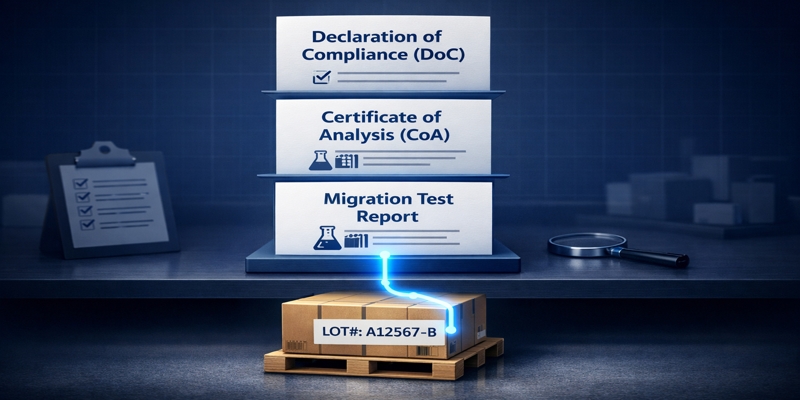
Migration Testing: How to Read Your Food Packaging Paper Supplier’s Technical Data Sheet
📌 Key Takeaways A supplier’s “FDA compliant” label means nothing if the test conditions don’t match how you actually use the packaging. Test conditions prove compliance—not labels or claims. Food service operators and procurement managers sourcing packaging for hot, greasy, or acidic menu items will find a ready-to-use verification checklist ... Read More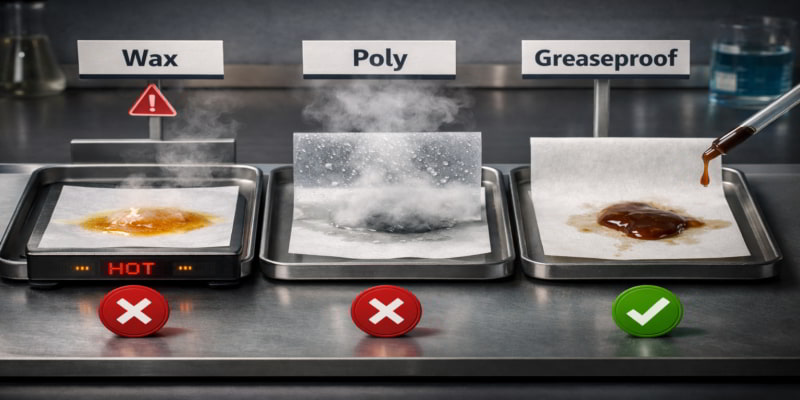
Poly vs. Wax vs. Greaseproof: Choosing the Right Coating for Food-Grade Paper Menus
📌 Key Takeaways Picking the right food wrap means matching the coating to your menu’s heat, grease, and hold time—not just grabbing whatever says “food safe.” The right coating protects food quality; the wrong one creates the complaints you’re trying to prevent. Food service operators and procurement managers sourcing packaging ... Read More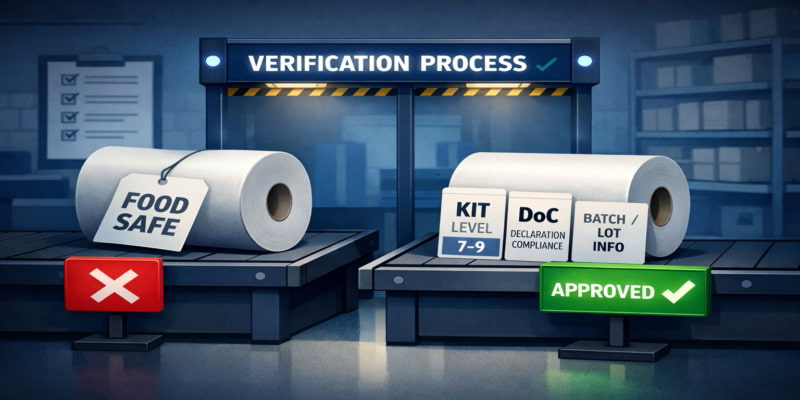
Why ‘Food Safe’ Isn’t Enough: The Hidden Risks of Generic Food Packaging Paper
📌 Key Takeaways “Food safe” is a marketing phrase, not a safety guarantee—real protection comes from matching paper specifications to your actual menu conditions. Match your specifications to your menu, not to a vague label. Food service operators scaling locations or expanding menus will gain a repeatable sourcing process here, ... Read More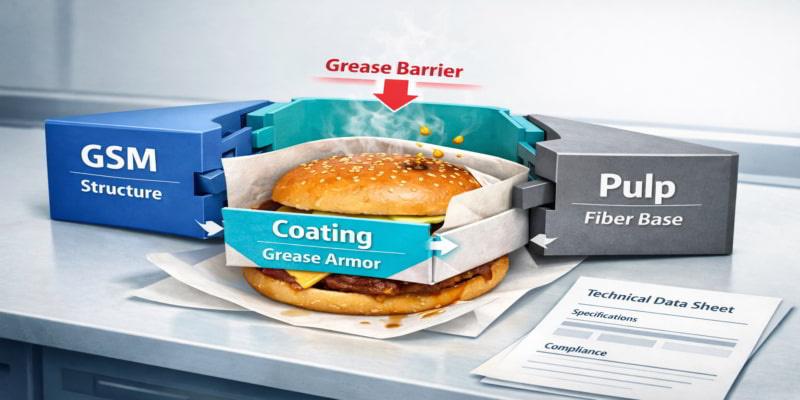
Food Packaging Paper Specifications 101: A Beginner’s Guide to GSM, Coatings, and Pulp
📌 Key Takeaways Knowing three specifications terms—GSM, coatings, and pulp—lets you order food packaging that actually protects your food. Match your specifications to your menu conditions—then document everything. Food service operators and procurement managers ordering packaging for hot or greasy items will gain confidence asking suppliers the right questions, preparing ... Read More
The Failure of Generic Sourcing in Food Packaging Paper: Using the Specifications-First Protocol to Build Brand Safety
📌 Key Takeaways “Food safe” labels tell you nothing about whether paper will survive hot, greasy food—only specifications reveal actual performance. Food service operators and procurement managers sourcing packaging materials will find actionable frameworks here, preparing them for supplier conversations that produce comparable, verifiable quotes. ~ ~ ~ ~ ~ ... Read More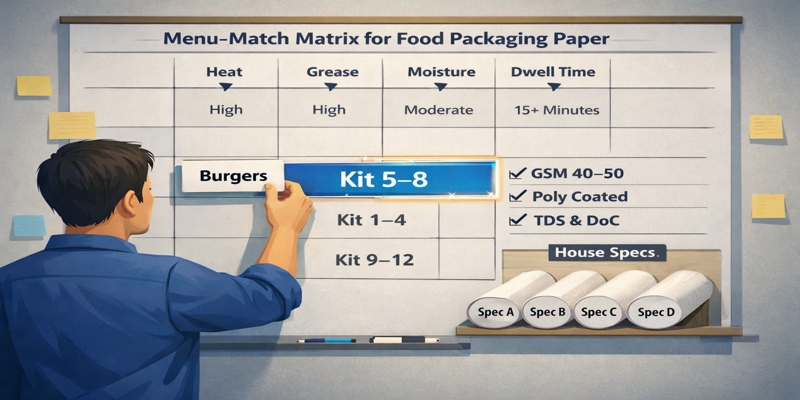
The Menu-Match Matrix for Food Packaging Paper: How to Match Your Menu with the Right Kit Level and Specifications
📌 Key Takeaways Matching paper specifications (specs) to your actual menu—not grabbing “food safe” labels—prevents grease stains, soggy wraps, and wasted money. Spec the paper to the food, and the packaging argument ends before it starts. Food service operators, restaurant procurement managers, and multi-location franchise buyers will gain a shared ... Read More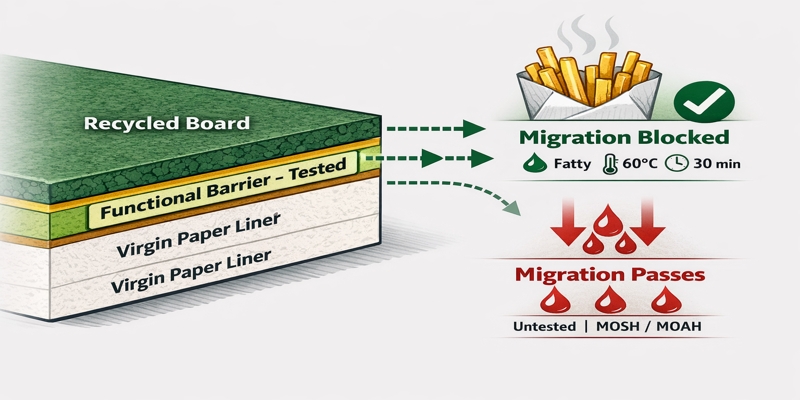
Recycled vs. Virgin Pulp: Understanding Migration Risks in Food Packaging
📌 Key Takeaways Choosing recycled or virgin paper for food packaging depends on what touches food, how hot and greasy the food is, and whether you can prove safety with matching test reports. Proof that matches reality beats claims that sound good on paper. Procurement managers and food-service operators balancing ... Read More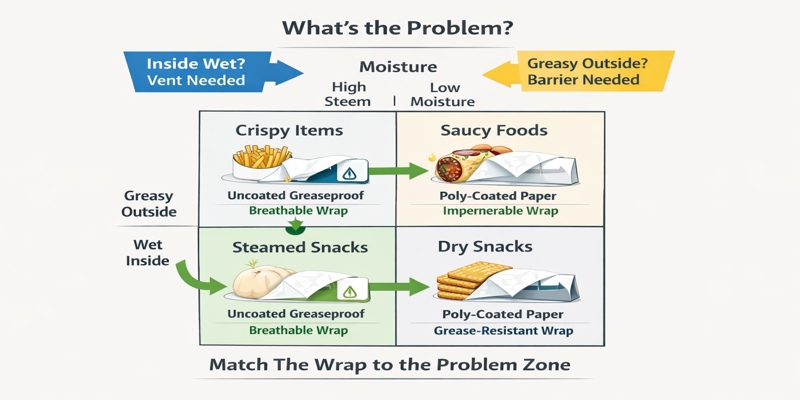
Poly-Coated vs. Uncoated: Choosing the Right Barrier for Hot & Steamy Foods
📌 Key Takeaways Soggy fried food usually signals trapped steam, not weak grease protection—so adding a stronger coating often makes things worse. The right barrier matches the failure mode, not the price tier. Food service operators and procurement managers sourcing packaging for hot delivery items will find a clear decision ... Read More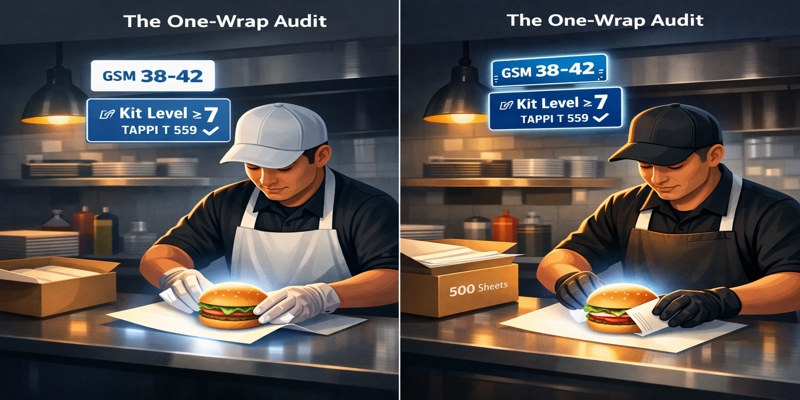
Portion Control via Packaging: How Better Specifications Reduce Double-Wrapping Waste
📌 Key Takeaways Double-wrapping food isn’t a training problem—it’s a sign that staff don’t trust the paper to hold up. Specifications-driven confidence beats insurance-wrapping every time. Food service operators and procurement managers sourcing wrapping paper will find a clear spec framework and testing protocol here, preparing them for the detailed ... Read More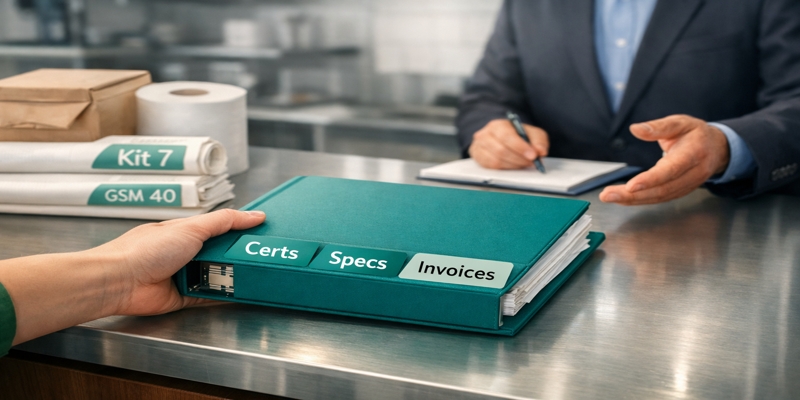
Beyond the Fine: The Reputation Risk of Non-Compliant Food Packaging Paper
📌 Key Takeaways A packaging failure costs far more in lost trust than any fine—customers see grease stains as food safety problems. The fine is a line item; the reputation is the business. Restaurant operators, food service managers, and procurement teams responsible for food packaging sourcing will find practical checklists ... Read More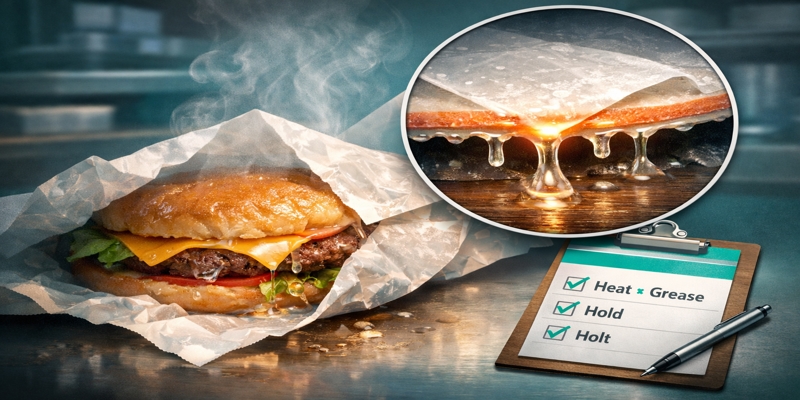
The Wax Paper Trap: Why Generic Wraps Fail High-Heat Tests
📌 Key Takeaways Wax paper fails on hot food because heat melts the coating—use greaseproof paper with documented specs for burgers, fries, and hot sandwiches. The right wrap protects your product; the wrong one becomes the problem. Food service operators and procurement managers sourcing food packaging for hot menu items ... Read More
Food Packaging Paper GSM Explained: How to Match Paper Weight to Your Menu Items
📌 Key Takeaways GSM tells you how heavy paper feels, not whether it blocks grease—those are two separate specs you need to set independently. Heavy paper that lets grease through is just expensive failure—spec both weight and barrier. Food service operators and procurement managers choosing packaging paper will gain clarity ... Read More
Food Packaging Paper Trail: 3 Documents You Need to Pass a Health Inspection
📌 Key Takeaways Three documents—kept together and easy to find—turn inspection stress into a calm folder handoff. Organized paperwork means confident inspections. Restaurant owners and food service operators managing takeout packaging will gain a clear system for inspection readiness, preparing them for the detailed filing guide that follows. ~ ~ ... Read More
Food Packaging Paper Kit Levels 1–12: An Easy-to-Understand Guide to Grease Resistance
📌 Key Takeaways Grease resistance in food wrapping paper comes down to one number—the Kit level (1–12)—not paper thickness or weight. Right Kit level = clean hands and crisp food wrong Kit level = soggy mess and customer complaints Food service operators and food packaging paper buyers will gain clarity ... Read More
FDA vs. ISEGA for Takeout Food Packaging Paper: What the Acronyms Really Mean (and What to Ask Your Supplier)
📌 Key Takeaways FDA and ISEGA are signals pointing to different regulatory systems—neither automatically means your food packaging paper is safe for your specific use. Documentation survives audits; marketing claims do not. Restaurant owners and food service buyers managing takeout food packaging paper compliance will gain clear verification questions here, ... Read More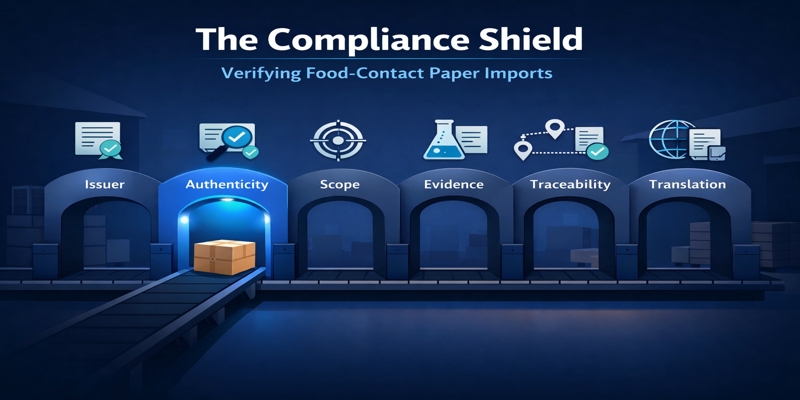
Importing Food Packaging Paper? How to Verify International Safety Certifications
📌 Key Takeaways A certificate on file doesn’t equal compliance—only verified scope, test evidence, and lot traceability prove your packaging is safe. Verified = protected. Assumed = exposed. Procurement managers and compliance teams sourcing international food-contact packaging will gain a ready-to-use verification workflow here, preparing them for the detailed checklist ... Read More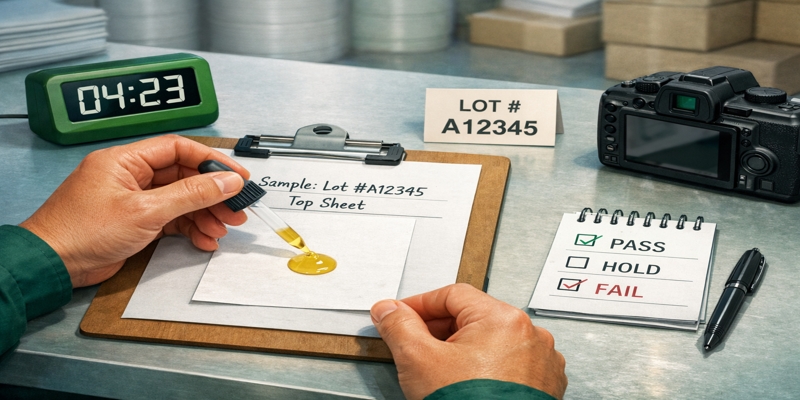
A Simple 5-Minute Grease Spot Test to Check Your Food Packaging Paper Supply
📌 Key Takeaways A five-minute oil drop test catches grease barrier failures before bad paper reaches your food line. Quick screening catches grease failures before customers do. Food service operators and QA teams managing incoming food packaging supplies will gain a practical receiving check here, preparing them for the detailed ... Read More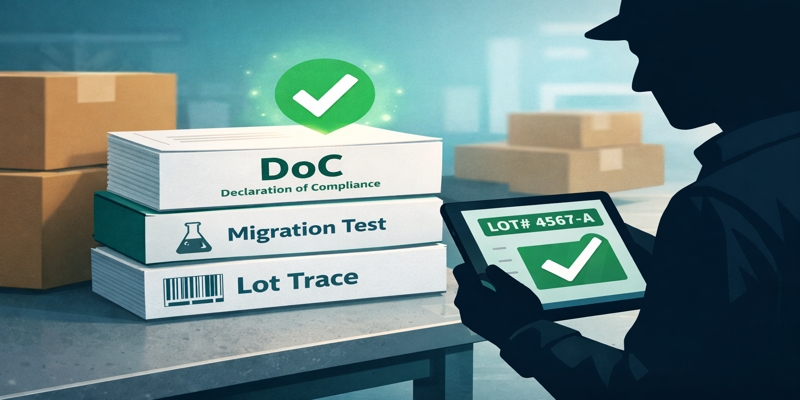
Why “Food Safe” Is a Meaningless Label for Food Packaging Paper (And What to Ask Instead)
📌 Key Takeaways “Food safe” on a label proves nothing—only named standards with current, lot-linked documents verify safety. Current documents beat comforting labels every time. Procurement managers and food service operators sourcing food packaging paper will gain a practical question framework here, preparing them for the detailed supplier verification guidance ... Read More
Stop Serving Soggy Food: The Operator’s Clear Guide to GSM and Kit Levels in Food Packaging Paper
📌 Key Takeaways Soggy food happens when paper specs don’t match your menu—fix the numbers, fix the complaints. Match the spec to the menu, and soggy complaints disappear. Food service operators and packaging buyers will find practical spec templates and supplier questions here, preparing them for menu-specific paper selection that ... Read More