The “Brown Kraft Paper” Trap and Why Generic Bag Paper May Not Be FDA Compliant
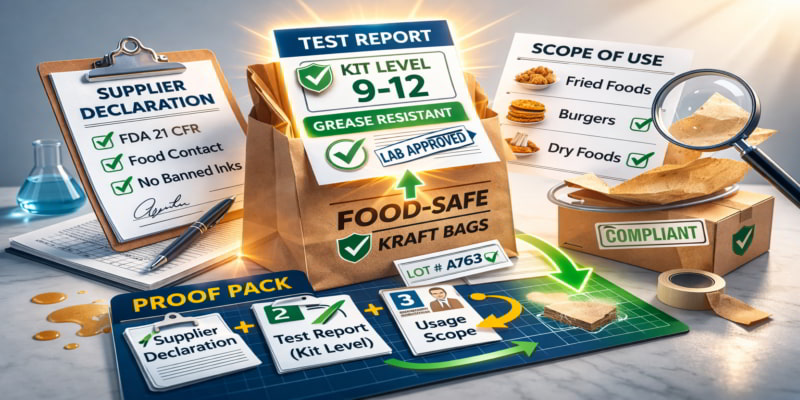
📌 Key Takeaways Brown Kraft paper bags are not automatically food safe—proof comes from documentation that matches your actual use conditions, not from color or thickness. Documentation you can retrieve in minutes beats hoping your packaging holds up. Food service operators and procurement managers sourcing takeout packaging will gain a ... Read More
Audit-Ready Food Packaging Paper: Understanding FDA & ISEGA Safety Standards for Food Service
📌 Key Takeaways Audit-ready food packaging paper means having proof documents that match how you actually use the packaging—not just a “food safe” label. Proof that matches reality beats paperwork that looks official. Food service operators and procurement managers sourcing food packaging paper for hot or greasy foods will find ... Read More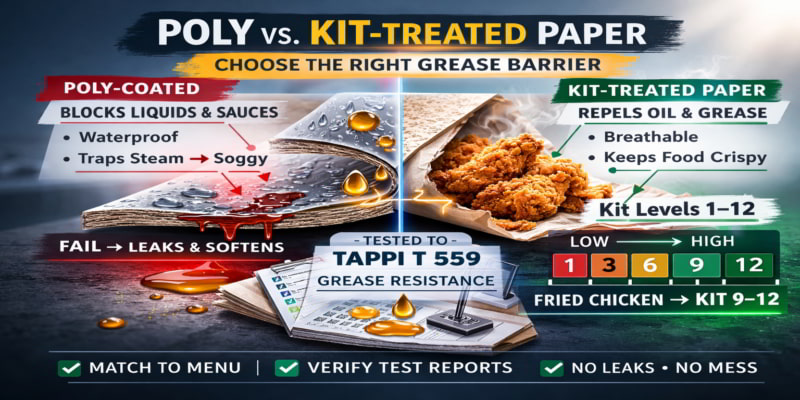
Poly-Coated vs. Kit-Treated (Greaseproof) Paper: Which Grease Barrier is Right for Your Delivery?
📌 Key Takeaways Fixing soggy delivery bags starts with matching the right grease barrier to your food—poly for wet sauces, kit-treated for fried foods. Choose barriers based on what makes food messy—not what makes paper thick. Food service operators and QSR procurement managers troubleshooting delivery packaging failures will find actionable ... Read More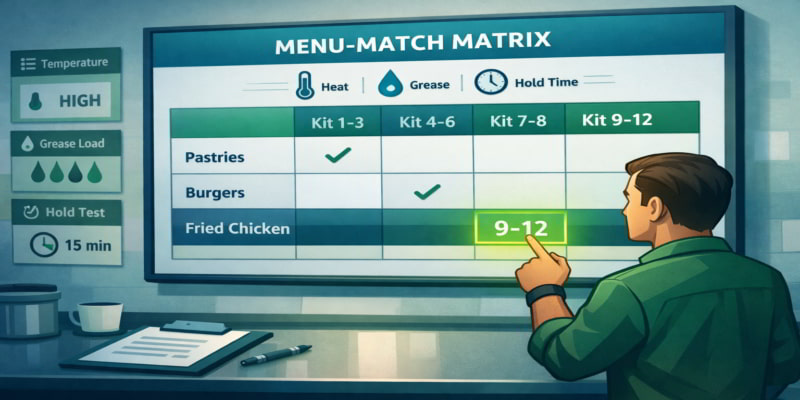
The Hidden Cost of Grease Stains: How Food Packaging Paper Failures Hurt Customer Retention
📌 Key Takeaways Grease stains on food wrappers cost you customers—not because the food is bad, but because stains make people think your kitchen is dirty. Match your wrapper specifications to your menu, and customers stop seeing stains that make them doubt your standards. Food service operators and QSR managers ... Read More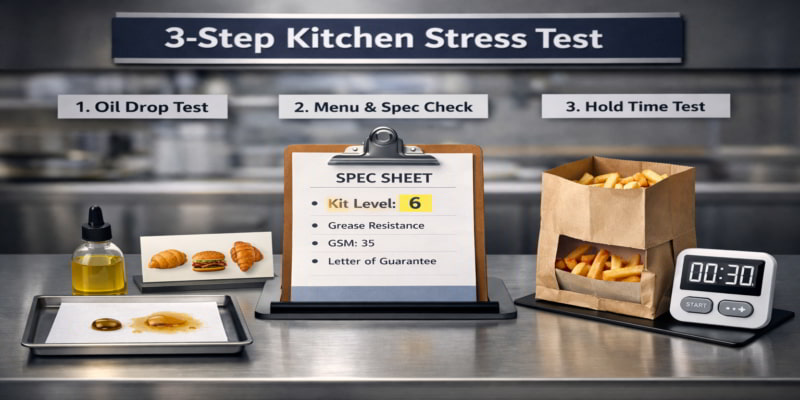
Understanding Food Packaging Paper Failures: The “Soggy Bag” Audit and How to Prevent Leaks
📌 Key Takeaways Greasy, leaking food bags fail because paper thickness (GSM) doesn’t block oil—only a chemical grease barrier (Kit Level) matched to your menu’s fat content and hold time will stop the leak. • Kit Level Beats GSM: Heavier paper still soaks through without a chemical barrier; grease resistance ... Read More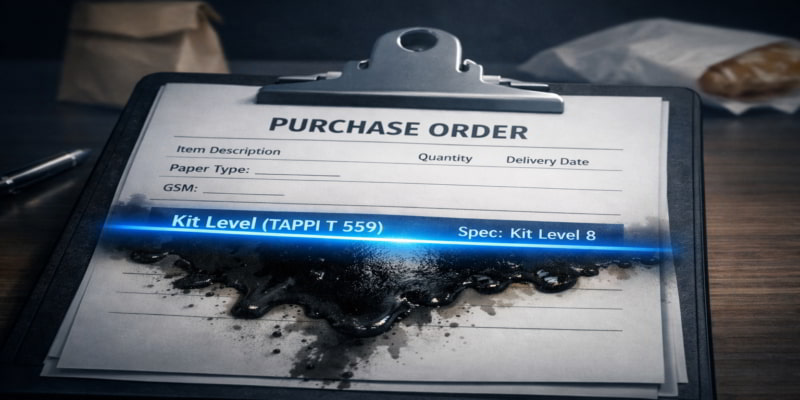
Stop the Leak: How Grease Resistance Ratings (Kit Levels) Protect Food Packaging Paper and Brand
📌 Key Takeaways Grease leaks through food packaging paper because the paper lacks a chemical barrier—not because it’s too thin. Specify the barrier, not the weight—that’s how you stop leaks before they reach customers. Food service operators and procurement managers sourcing delivery packaging will gain clarity on specification gaps here, ... Read More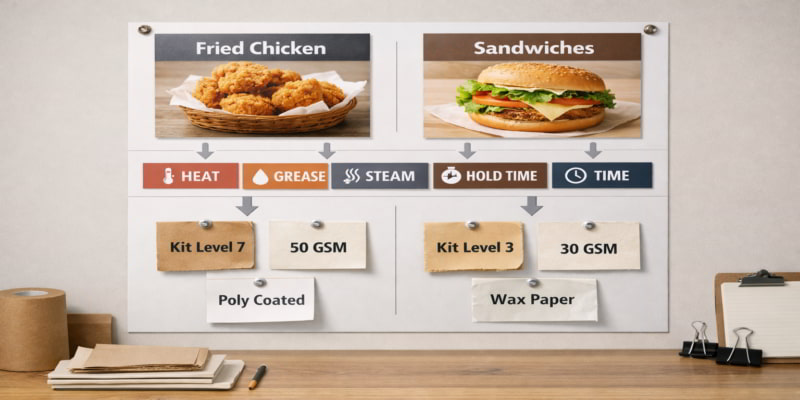
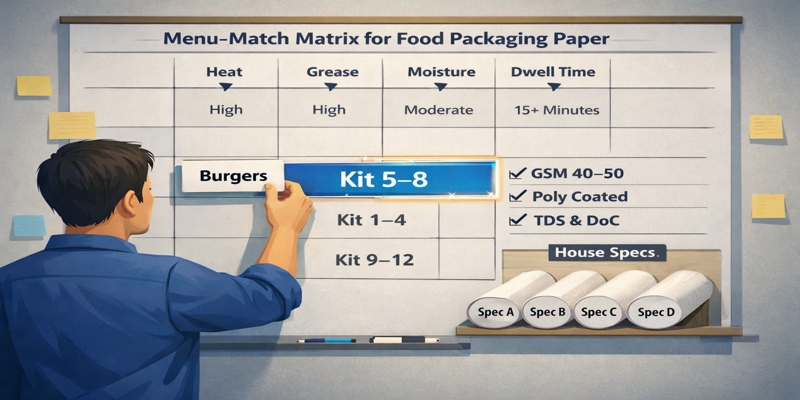
Food Packaging Paper Menu-Specific Specification Mapping: Choosing the Right Paper for Fried Chicken vs. Sandwiches
📌 Key Takeaways Fried chicken and sandwiches fail packaging for opposite reasons—matching the wrapper to the menu stops surprises during service. Right wrapper + right menu item = no more soggy bread or greasy fingers. Food service operators and food packaging paper buyers sourcing wrappers for mixed menus will gain ... Read More
Food Packaging Paper Customer Perception: How Grease Stains Impact Your Brand’s Premium Image
📌 Key Takeaways Grease stains on food wrappers make customers judge your brand as cheap and careless—before they even taste the food. The right wrapper protects the premium image you’ve built everywhere else. Food service operators and procurement teams sourcing packaging will find a practical scorecard and supplier questions here, ... Read More
Testing Your Food Packaging Paper: A DIY Oil Drop Test for Verifying Grease Resistance
📌 Key Takeaways A simple oil-drop test reveals which paper samples resist grease long enough for your menu—before you commit to a full order. Screen first, specify second, surprise never. Food service operators and procurement managers evaluating food packaging paper samples will gain a repeatable testing method here, preparing them ... Read More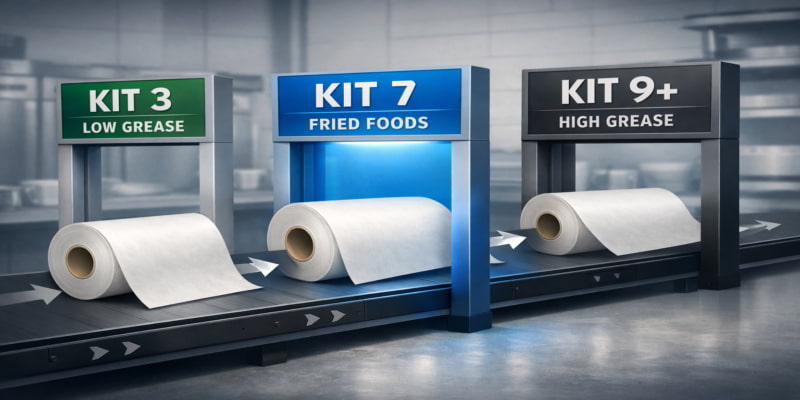
Kit 3 vs. Kit 7 Food Packaging Paper: Which Kit Level Fits Fried Chicken, Burgers, and Sandwich Wraps?
📌 Key Takeaways Matching your food wrapper to your menu’s heat, grease, and hold time prevents stains and complaints. The right specification means clean bags—the wrong one means greasy fingers and wasted money. Kitchen managers and food service buyers sourcing wraps for fried or greasy menu items will find a ... Read More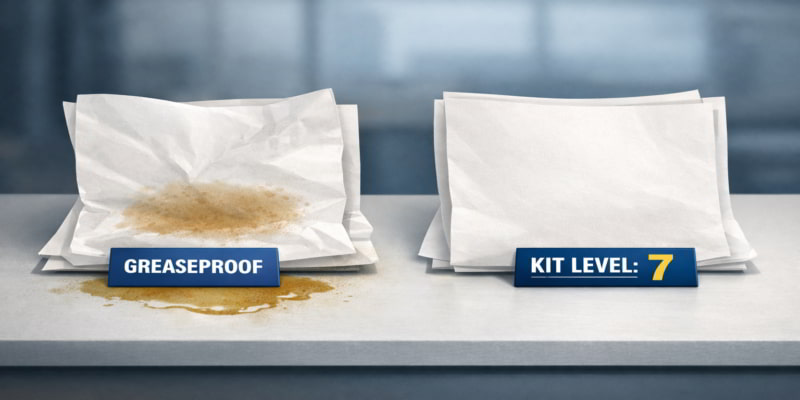
What Is a Kit Level? The Simple Scale for Measuring Grease Resistance
📌 Key Takeaways Kit Level is a 1–12 grease resistance rating that replaces vague “greaseproof” labels with measurable, comparable specs. Specify the number, skip the guesswork. Food service operators and packaging buyers seeking reliable grease barriers will find the measurement framework here, preparing them for the supplier comparison process that ... Read More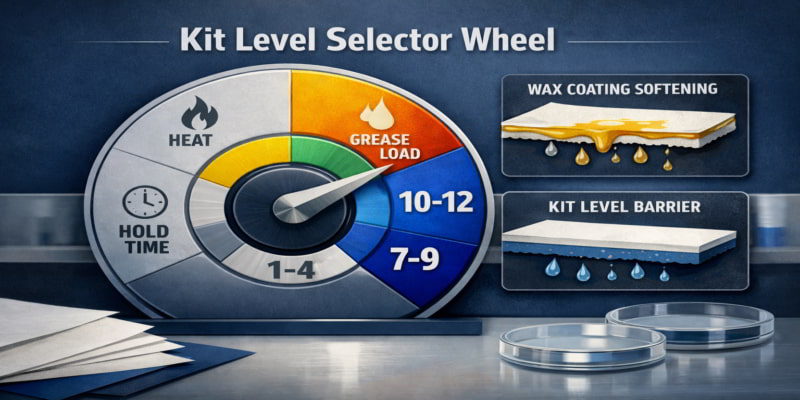
The Failure of Wax Paper: Using Kit Level Logic to Ensure Customer Experience
📌 Key Takeaways The label “wax paper” tells you what it’s made of, not how it performs—only a measured grease-resistance rating protects your customer experience. Specifications protect the customer; labels just describe materials. Food service operators and QA managers choosing food packaging paper for hot or greasy items will gain ... Read More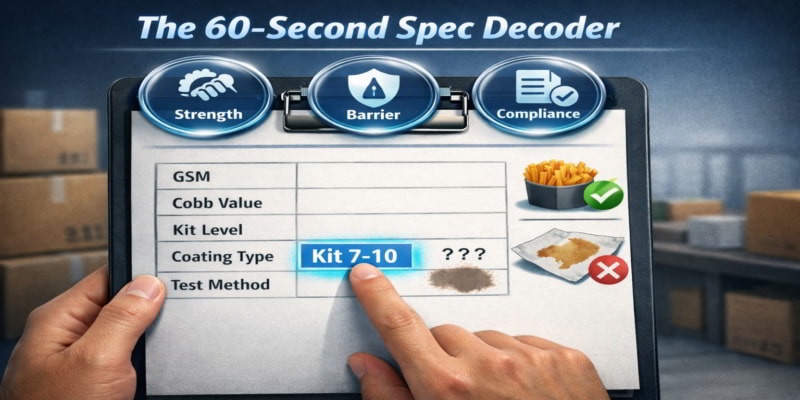
Stop the Guesswork: A Technical Guide to Decoding Food Packaging Paper Specifications
📌 Key Takeaways Paper failures usually trace back to specification mismatch, not bad suppliers—the paper did what its specifications allowed, just not what your food demanded. Match the specification to the menu, not the price to the budget. Food-service operators and procurement managers will gain a clear framework for reading ... Read More
The Food Packaging Paper Letter of Guarantee Audit Kit: A Clear Guide to Organizing Your Compliance Paper Trail
📌 Key Takeaways Most audit failures happen because the right paperwork can’t be found fast enough—not because it doesn’t exist. Organized paperwork is faster paperwork—and speed is what audits demand. Procurement managers and QA teams handling food-contact packaging compliance will gain a ready-to-use folder system here, preparing them for the ... Read More
Migration Testing: How to Read Your Food Packaging Paper Supplier’s Technical Data Sheet
📌 Key Takeaways A supplier’s “FDA compliant” label means nothing if the test conditions don’t match how you actually use the packaging. Test conditions prove compliance—not labels or claims. Food service operators and procurement managers sourcing packaging for hot, greasy, or acidic menu items will find a ready-to-use verification checklist ... Read More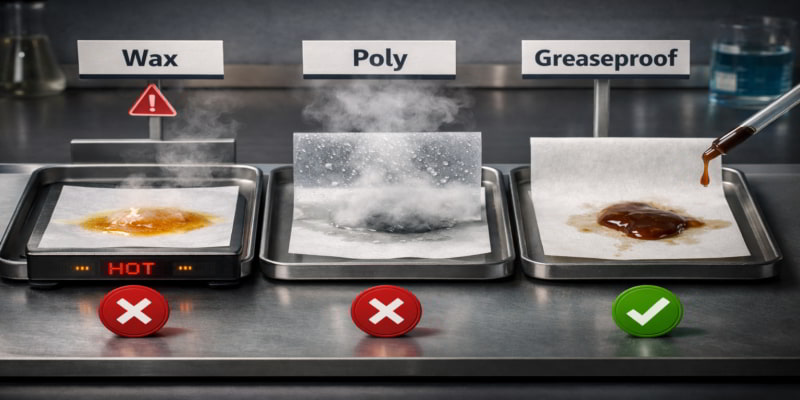
Poly vs. Wax vs. Greaseproof: Choosing the Right Coating for Food-Grade Paper Menus
📌 Key Takeaways Picking the right food wrap means matching the coating to your menu’s heat, grease, and hold time—not just grabbing whatever says “food safe.” The right coating protects food quality; the wrong one creates the complaints you’re trying to prevent. Food service operators and procurement managers sourcing packaging ... Read More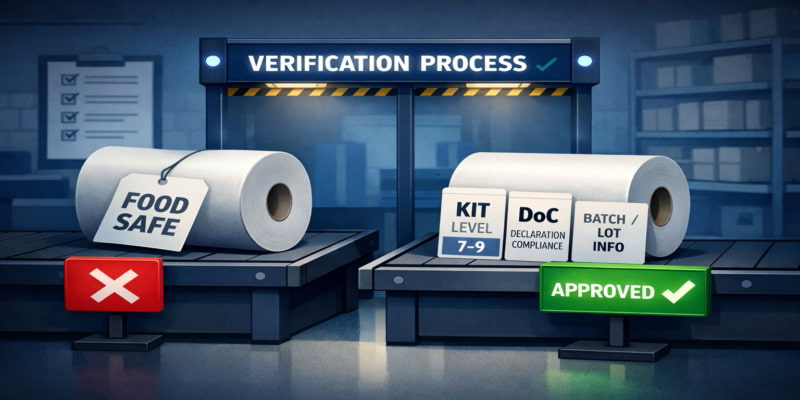
Why ‘Food Safe’ Isn’t Enough: The Hidden Risks of Generic Food Packaging Paper
📌 Key Takeaways “Food safe” is a marketing phrase, not a safety guarantee—real protection comes from matching paper specifications to your actual menu conditions. Match your specifications to your menu, not to a vague label. Food service operators scaling locations or expanding menus will gain a repeatable sourcing process here, ... Read More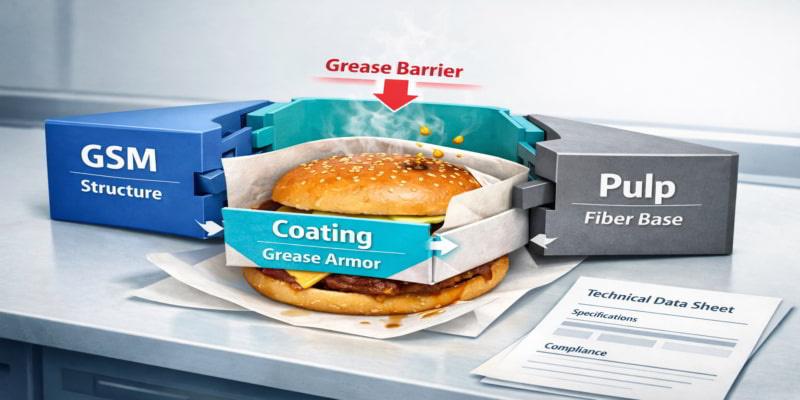
Food Packaging Paper Specifications 101: A Beginner’s Guide to GSM, Coatings, and Pulp
📌 Key Takeaways Knowing three specifications terms—GSM, coatings, and pulp—lets you order food packaging that actually protects your food. Match your specifications to your menu conditions—then document everything. Food service operators and procurement managers ordering packaging for hot or greasy items will gain confidence asking suppliers the right questions, preparing ... Read More
The Failure of Generic Sourcing in Food Packaging Paper: Using the Specifications-First Protocol to Build Brand Safety
📌 Key Takeaways “Food safe” labels tell you nothing about whether paper will survive hot, greasy food—only specifications reveal actual performance. Food service operators and procurement managers sourcing packaging materials will find actionable frameworks here, preparing them for supplier conversations that produce comparable, verifiable quotes. ~ ~ ~ ~ ~ ... Read More