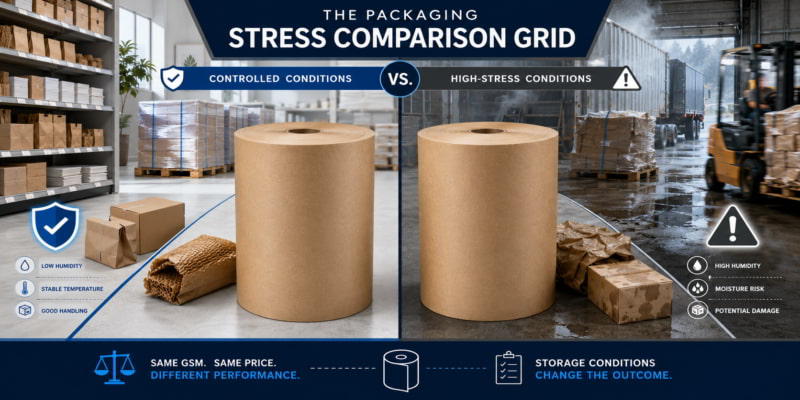
How Kraft Paper Grade and Packaging Use Should Shape Shelf-Life Decisions
📌 Key Takeaways Kraft paper packaging holds up only when the grade matches the job, the storage, and the handling, not just the price. Match the paper to the job first, then compare prices — not the other way around. Procurement teams and packaging buyers sourcing kraft paper for specific ... Read More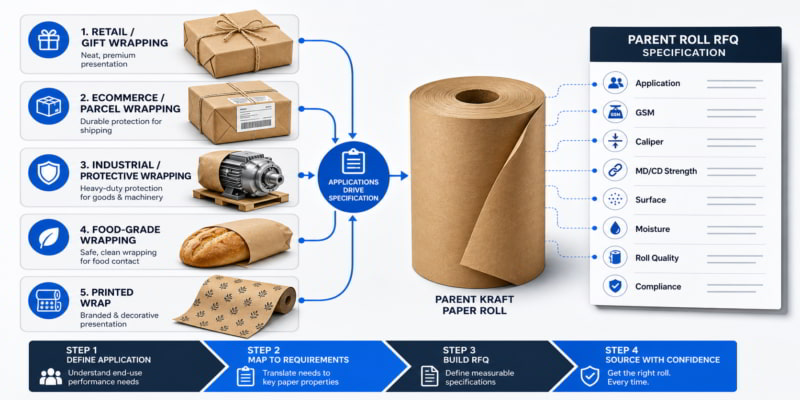
Kraft Paper Grade Selection for Wrapping Paper Conversion: What Buyers Should Check Before Ordering Parent Rolls
📌 Key Takeaways Buying kraft paper by name instead of specification leads to waste, web breaks, and costly surprises on the converting line. Specify the application first, then build the RFQ — never the other way around. Wrapping paper converters and procurement teams sourcing kraft parent rolls will gain a ... Read More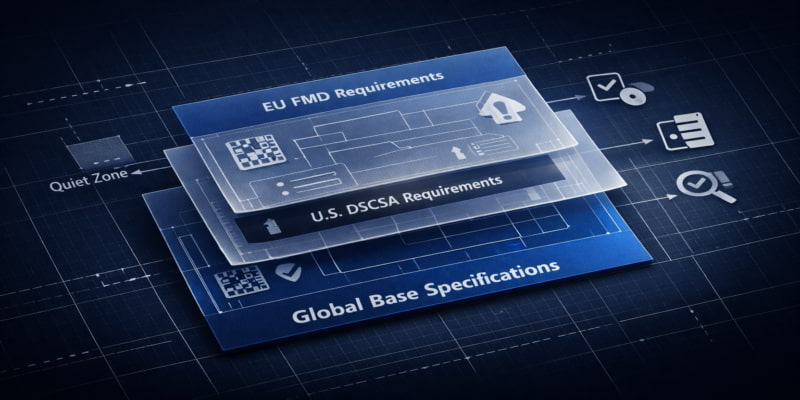
Decoding DSCSA vs FMD: How Regional Mandates Change Your Folding Carton Specifications
📌 Key Takeaways U.S. and EU drug packaging rules stress different parts of the folding carton—so one “global” specification invites confusion, not compliance. One shared foundation plus documented regional overlays beats a single vague global specification every time. Pharmaceutical packaging engineers, procurement managers, and QA leads managing multi-market carton programs ... Read More
The Failure of Vague RFQs: Using Specification-True Folding Carton Blueprints to Ensure Global Compliance
📌 Key Takeaways Vague folding carton specifications let suppliers guess differently, then compliance fails on the line, not in the quote. Specification discipline turns guesswork into governance. Procurement managers, packaging engineers, and QA leads responsible for pharmaceutical folding carton sourcing will gain a repeatable framework here, preparing them for the ... Read More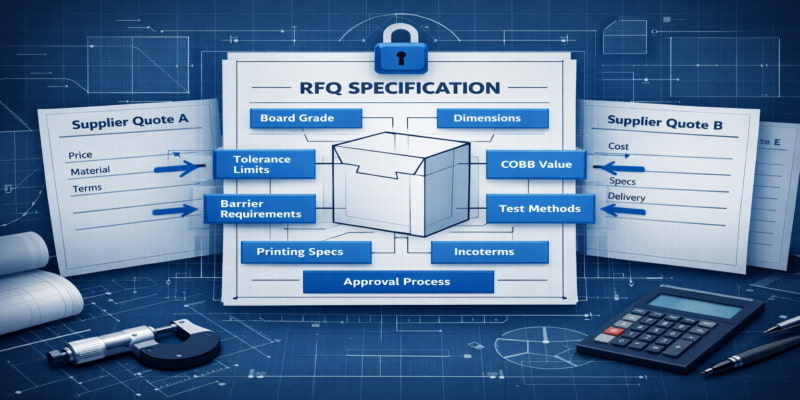
Folding Carton Baseline Packaging Parameter Checklist: How to Structure Your First RFQ Clearly
📌 Key Takeaways Supplier quotes only compare fairly when every supplier prices the exact same package—not their own interpretation of it. Clearer specifications today mean fewer surprises after the folding cartons arrive. Procurement managers and packaging buyers drafting their first serious supplier requests will gain a ready-to-use framework here, preparing ... Read More
5 Ways to Verify International Food-Grade Folding Carton Packaging Suppliers Before Requesting Quotes
📌 Key Takeaways Screen packaging suppliers for proof before asking for prices—once you see a low quote, your objectivity is already compromised. No filter, no RFQ—that single rule protects your objectivity. Procurement managers, QA teams, and packaging engineers sourcing international folding cartons will gain a repeatable screening method here, preparing ... Read More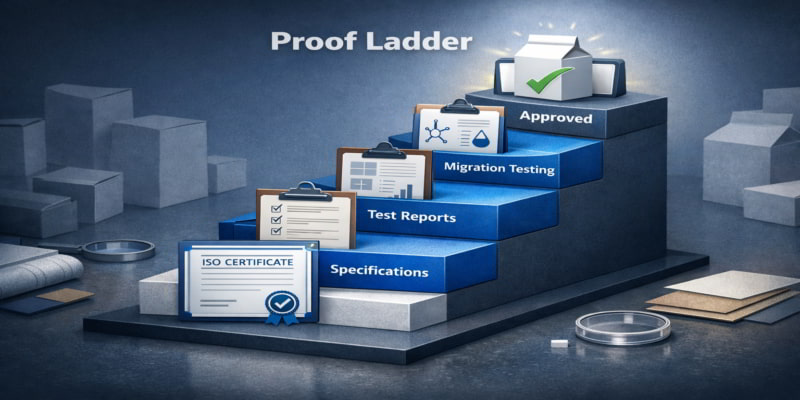
Stop Trusting ISO Certificates for Folding Carton Packaging: They Don’t Guarantee Food Safety
📌 Key Takeaways An ISO certificate proves a supplier has organized processes—it does not prove your specific folding carton run is safe for your food product. Proof beats paperwork—run-specific evidence protects you where badges cannot. Procurement managers, QA specialists, and packaging engineers sourcing folding cartons for food applications will gain ... Read More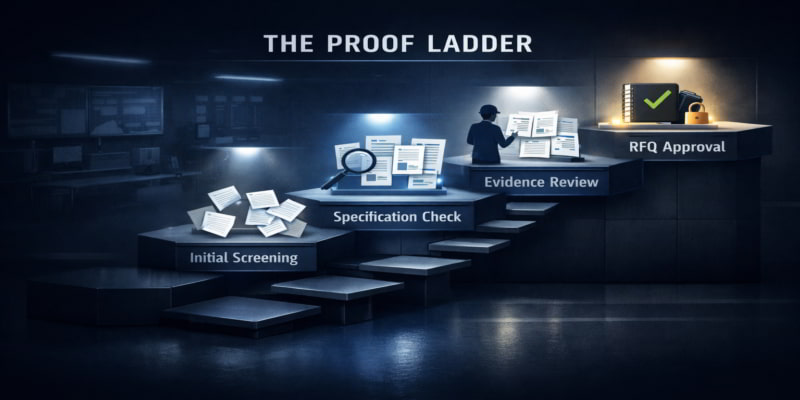
From Guesswork to Governance: A Comprehensive Folding Carton Supplier Verification Methodology
📌 Key Takeaways Supplier qualification works when you check proof in stages—not when you collect every document at once and hope it adds up. Governed verification replaces doubt with documented confidence before price ever enters the conversation. Procurement managers, QA leads, and packaging engineers qualifying folding carton suppliers will find ... Read More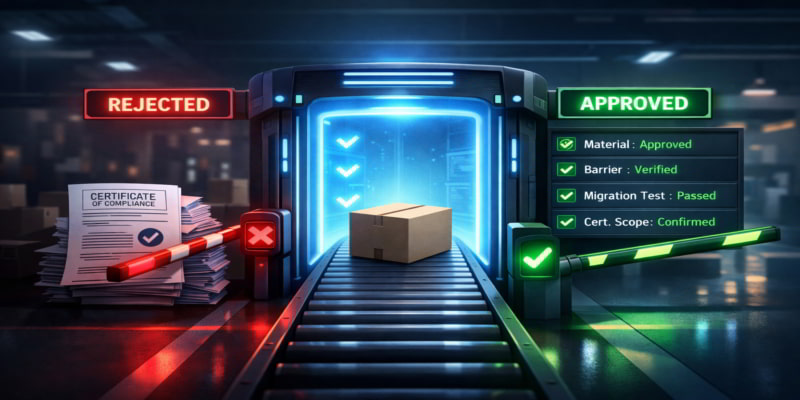
Stop Skipping Compliance: Why Ignoring Folding Carton Specifications Leads to Recalls
📌 Key Takeaways Skipping folding carton specification reviews doesn’t save time—it transfers risk to QA, regulatory, and brand teams who’ll pay for it later. Specification discipline isn’t friction—it’s the checkpoint that keeps preventable failures out of your supply chain. QA managers, packaging engineers, and procurement leads at food and beverage ... Read More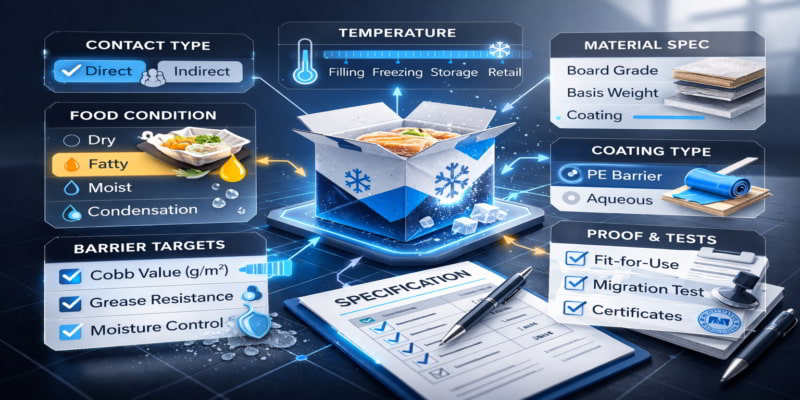
How to Define Safe Contact Barriers for Frozen Food Folding Carton Packaging
📌 Key Takeaways Frozen food packaging needs barrier specifications defined field by field—not just a “frozen grade” label—before comparing suppliers. Specification clarity before quotes prevents late-stage failures and compliance surprises. QA managers and packaging engineers defining frozen food folding carton requirements will find a ready-to-use specification sheet and verification checklist ... Read More
Stop Assuming Specifications: The Hidden Dangers of Imported Folding Cartons
📌 Key Takeaways A supplier certificate proves they have quality systems—it does not prove the folding cartons on your dock meet your exact specifications. Specifications-first validation prevents dock failures that certificates alone cannot catch. Procurement managers, QA teams, and packaging engineers sourcing imported folding cartons will gain a practical framework ... Read More
Stop Relying on Generic Certificates: A Practical Guide to Food-Safe Folding Carton Compliance
📌 Key Takeaways Certificates prove a supplier has a quality system—they don’t prove that a specific carton batch matches your exact food-safety needs. Stop collecting certificates and start connecting proof to named requirements. Procurement managers and QA professionals qualifying folding carton suppliers will find a practical diagnostic here, preparing them ... Read More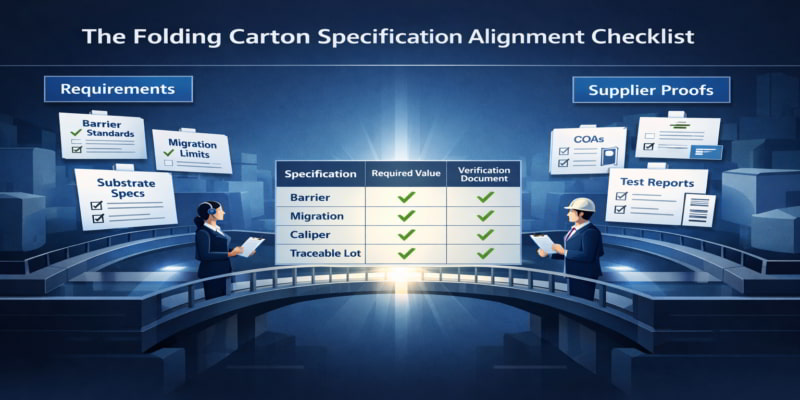
The Folding Carton Specification Alignment Checklist: Connecting Compliance to Supplier Vetting
📌 Key Takeaways Folding carton sourcing fails when teams collect supplier certificates before defining what “compliant” actually means for their specific product. Clear specifications first, then supplier comparison—not the other way around. Procurement managers and QA leads sourcing food-safe folding cartons will find a ready-to-use alignment framework here, preparing them ... Read More
Beyond Basic Certifications: Auditing the Lifecycle Ecosystem of Your Sustainable Folding Cartons
📌 Key Takeaways Certifications prove a supplier joined a system—they don’t prove the supplier can survive a full lifecycle audit. A certificate proves participation—a lifecycle audit proves readiness for scrutiny. Procurement leaders and sustainability directors sourcing folding cartons for strict EPR markets will gain a concrete audit framework here, preparing ... Read More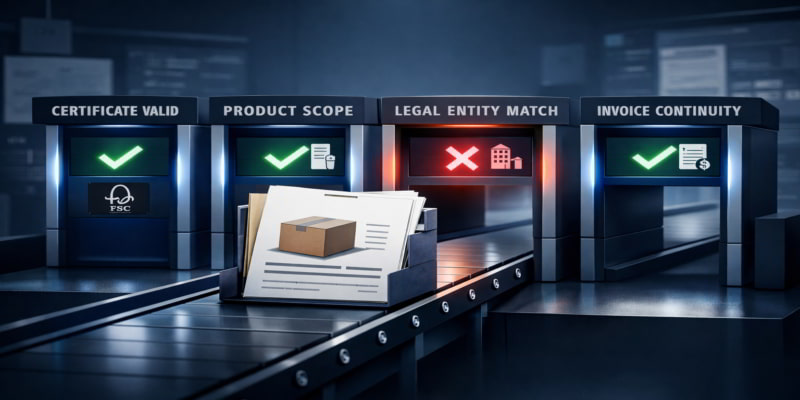
The Mistake Most Teams Make With Green Folding Cartons (and How Verification Fixes It)
📌 Key Takeaways Green claims on supplier brochures don’t prove compliance—only neutral, buyer-controlled verification does. Verification turns compliance anxiety into documented control. Procurement and sustainability teams sourcing folding cartons for regulated markets will find a ready-to-use verification workflow here, preparing them for supplier review conversations that follow. ~ ~ ~ ... Read More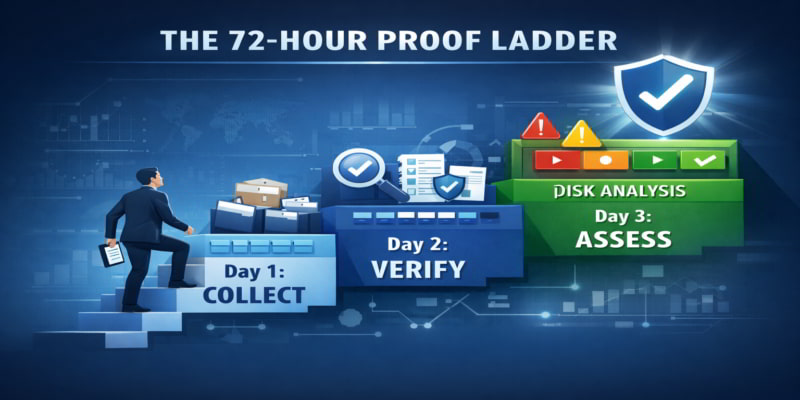
The First 72 Hours: Baselining Your Sustainable Folding Carton Supply Chain
📌 Key Takeaways Before rushing to find new packaging suppliers, spend 72 hours documenting what you can actually prove about your current materials. A neutral baseline today prevents months of supplier chaos tomorrow. Procurement managers and sustainability directors preparing for EU packaging compliance will find a clear 72-hour action plan ... Read More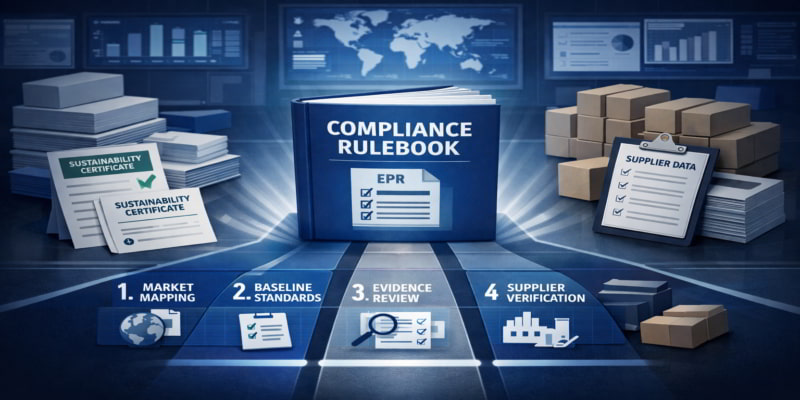
The Compliance Problem in Global Sourcing: A Methodology-First Approach for Sustainable Folding Cartons
📌 Key Takeaways Sustainable packaging compliance starts with knowing what the law requires—not with what suppliers claim to offer. Method beats marketing when compliance is on the line. Packaging buyers and sustainability managers navigating global EPR requirements will gain a clear verification framework here, preparing them for the detailed four-phase ... Read More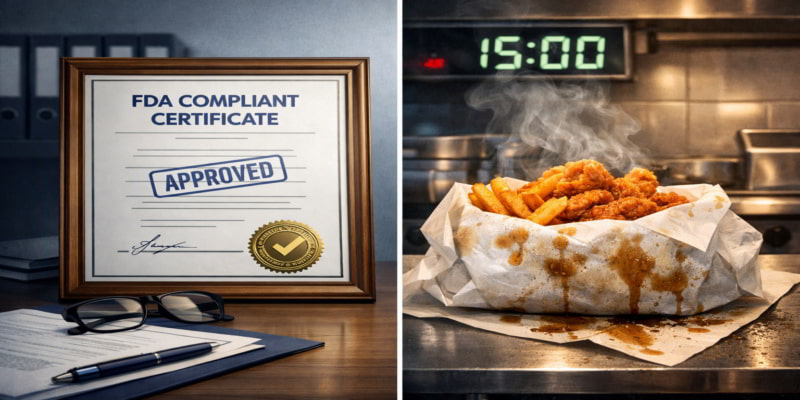
Why “FDA Compliant” Isn’t Enough: The Hidden Gaps in Food-Grade Packaging Paper Testing Protocols
📌 Key Takeaways An FDA compliance certificate proves your packaging paper is legally safe to use—it doesn’t prove the paper will actually stop grease from soaking through during a busy lunch rush. Compliant means allowed. Validated means it works. QA managers and procurement leads sourcing food packaging paper will find ... Read More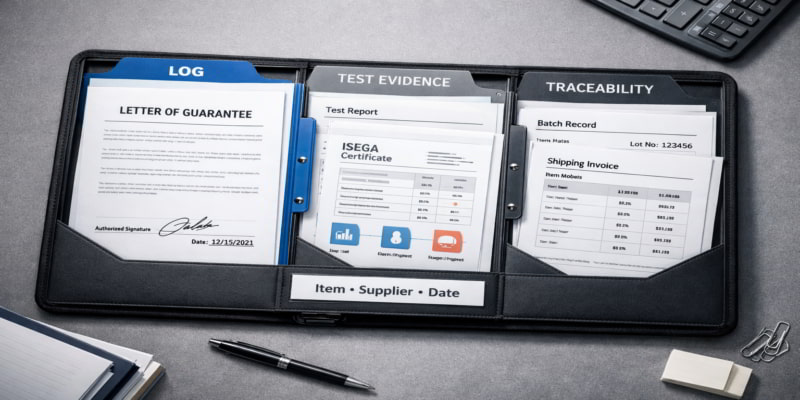
How to Request a Letter of Guarantee (LOG) from Food Packaging Paper Supplier
📌 Key Takeaways A Letter of Guarantee turns “they said it’s food safe” into dated, signed proof you can find in minutes. One email today prevents the 9:00 AM scramble tomorrow. Food service operators and procurement managers building audit-ready packaging files will find a ready-to-send email template and filing system ... Read More