Managing Kitchen Humidity: 3 Ways to Protect Food Packaging Paper Barrier Coatings
📌 Key Takeaways Kitchen steam quietly wrecks paper grease barriers—but three simple storage controls keep wrappers working through service. Control the storage environment and wrapper failures stop being a mystery. Food safety coordinators, kitchen directors, and facility managers in commercial kitchens will find practical storage and documentation steps here, preparing ... Read More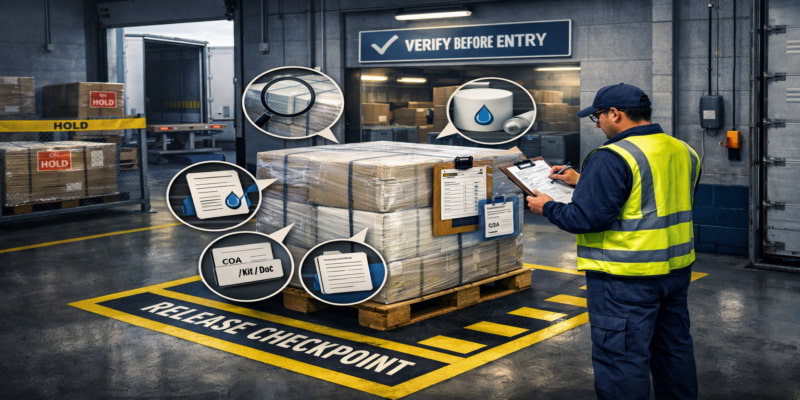
How to Set Up a Specification-First Receiving Log for Food Packaging Paper
📌 Key Takeaways A specification-first receiving log stops bad packaging at the dock by proving you checked the right things before signing. Document before you sign, or the paperwork is just theater. Operations managers and receiving staff at food service facilities will find a ready-to-use template and step-by-step setup guide ... Read More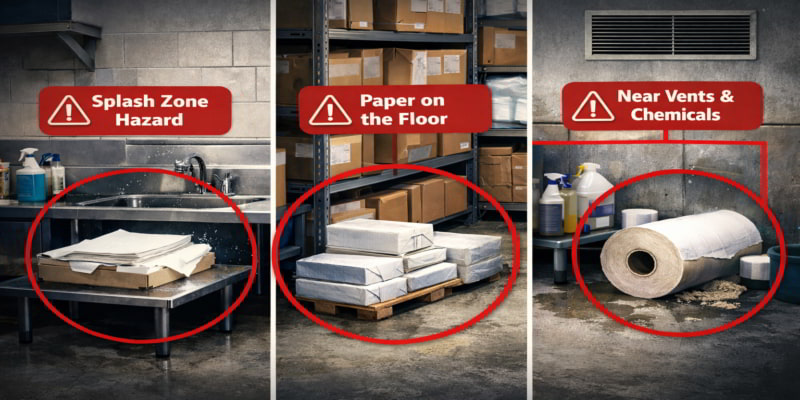
Simulated Audit: Three Food Packaging Paper Storage Failure Scenarios and How to Fix Them
📌 Key Takeaways Storage conditions—not suppliers—cause most food-packaging paper failures that show up in audits. Treat packaging paper like a food ingredient that fails when its storage environment fails. Operations managers and food-safety leads in facilities handling food-contact packaging will find a ready-to-use mock-audit checklist and walkthrough route below, preparing ... Read More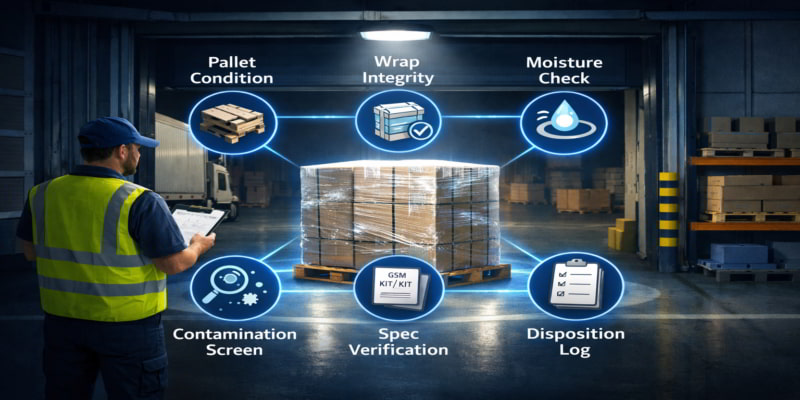
The Loading Dock Integrity Test for Food Packaging Paper
📌 Key Takeaways A three-minute inspection at the loading dock stops most food paper failures before they reach storage. Separate before you store—quarantine beats regret. Food safety coordinators and receiving managers facing audit pressure will gain a practical protocol here, preparing them for the detailed step-by-step inspection guide that follows. ... Read More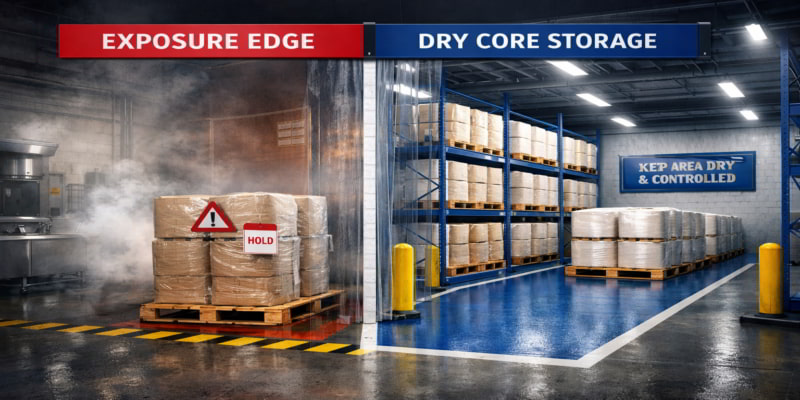
Why ‘First-In, First-Out’ (FIFO) Fails for Food-Grade Packaging Paper Storage
📌 Key Takeaways Date-based rotation fails for food-grade paper because moisture exposure—not age—is what actually ruins barrier performance. The safest pallet isn’t the oldest one—it’s the one that stayed protected. Warehouse managers and food-service operators handling paper packaging will gain a practical rotation system here, preparing them for cleaner audits ... Read More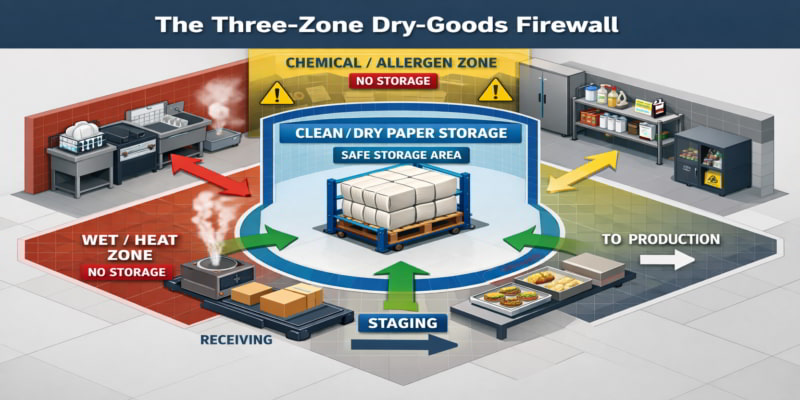
The ‘Inert Supply’ Myth: A Framework for Food-Grade Packaging Paper Storage Protocols
📌 Key Takeaways Food-grade packaging paper can silently lose its protective qualities when stored near heat, humidity, or chemicals—even while looking perfectly fine. Where you store paper matters as much as what you buy. Food facility managers and food safety coordinators responsible for audit readiness will find a ready-to-use storage ... Read More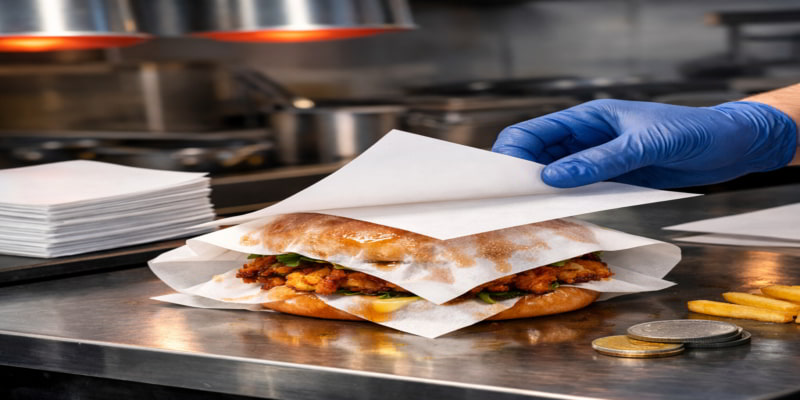
The Lowest Bidder Trap: Why the Cheapest Food-Safe Packaging Paper Destroys Operational Margins
📌 Key Takeaways Cheap “food safe” paper that fails under real kitchen heat and grease costs more than reliable paper that performs. The lowest bidder often becomes the most expensive choice once you count every extra wrapper. Food service operators and procurement managers sourcing packaging will gain a clear framework ... Read More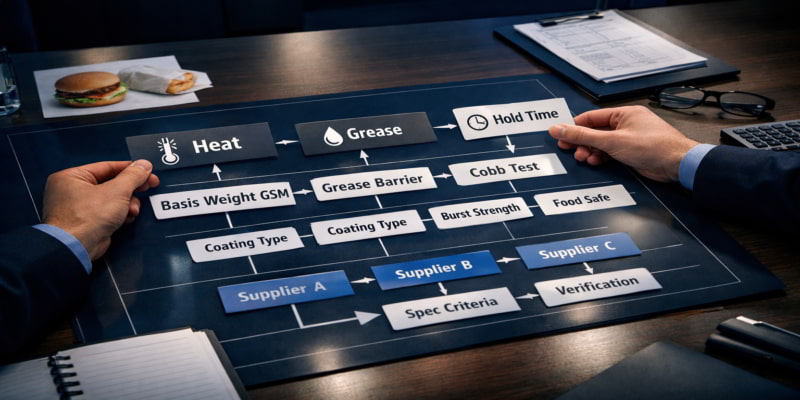
How to Build a Margin Protection Strategy for Your Next Food Packaging Paper Supplier Transition
📌 Key Takeaways Switching paper suppliers protects your margins only when you replace guesswork with clear specs, comparable quotes, and verified capability. Clear specs turn a risky supplier switch into a controlled transition. Operations managers and procurement leads sourcing food packaging paper will find a ready-to-use framework here, preparing them ... Read More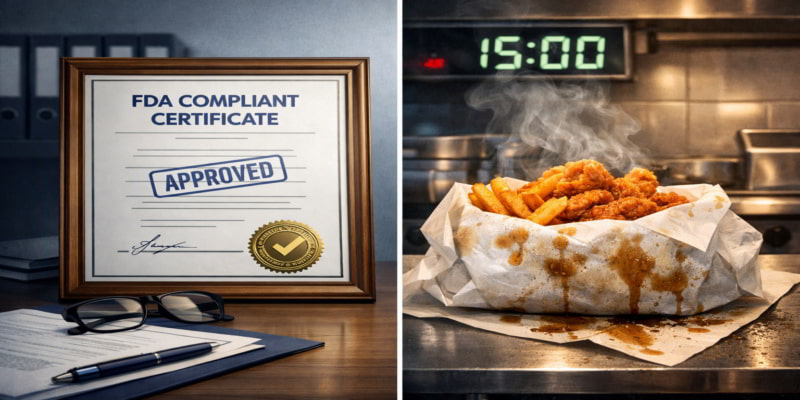
Why “FDA Compliant” Isn’t Enough: The Hidden Gaps in Food-Grade Packaging Paper Testing Protocols
📌 Key Takeaways An FDA compliance certificate proves your packaging paper is legally safe to use—it doesn’t prove the paper will actually stop grease from soaking through during a busy lunch rush. Compliant means allowed. Validated means it works. QA managers and procurement leads sourcing food packaging paper will find ... Read More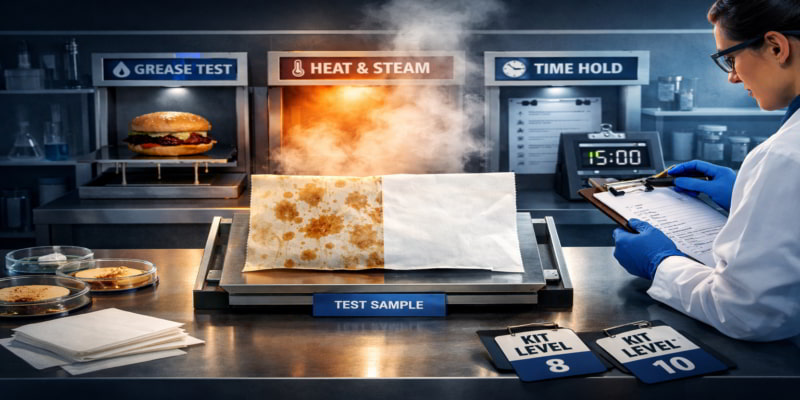
Preventing Wrapper Failures: A Complete Guide to Food-Grade Packaging Paper Testing Protocols
📌 Key Takeaways Wrapper failures happen because paper meets stresses it wasn’t designed for—test your highest-risk menu items before they reach customers. Food service operators, QA managers, and procurement professionals sourcing food-grade packaging paper will find a practical testing framework below, preparing them for the step-by-step protocol that follows. ~ ... Read More
Demystifying TAPPI T 559 for Food Packaging Paper: How to Read Kit Level Thresholds Before Changing Suppliers
📌 Key Takeaways A supplier’s “greaseproof” claim means nothing without a TAPPI T 559 test result you can verify and enforce. A clear threshold beats a vague promise—every time. Procurement managers and QA professionals evaluating food packaging suppliers will find a ready-to-use verification framework here, preparing them for the detailed ... Read More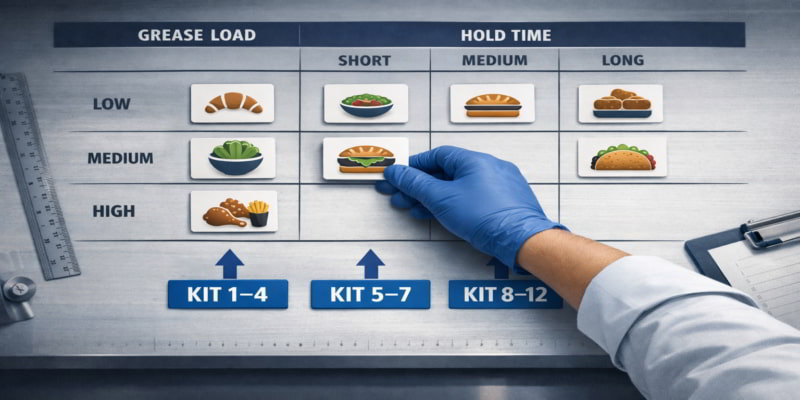
Why Universal Greaseproof Food Packaging Paper Leads to Massive Double-Wrapping Waste
📌 Key Takeaways Universal greaseproof paper fails because different menu items stress wrappers in completely different ways—one specification cannot handle them all. Specify the wrapper to the food’s stress, not to the label on the box. Procurement managers and food service operators sourcing packaging will gain a clear framework for ... Read More
SKU Consolidation Chart for Food Packaging Paper: A Practical Guide to Reducing Packaging Waste Across Multiple Locations
📌 Key Takeaways Wrapper waste across multiple locations drops when you map real food conditions to a small set of tested performance tiers. Fewer SKUs = simpler training, cleaner forecasts, and wrappers that actually work. QA managers, procurement directors, and franchise operators managing multi-unit food packaging will find a step-by-step ... Read More
Specification Alignment First: How to Normalize Vendor Data Across Global Food Packaging Paper Suppliers
📌 Key Takeaways Comparing supplier quotes from different countries only works when you first translate them into the same format. One worksheet, filled the same way for every supplier, ends the guessing. Procurement managers and operations teams sourcing packaging paper from multiple countries will find a ready-to-use comparison framework here, ... Read More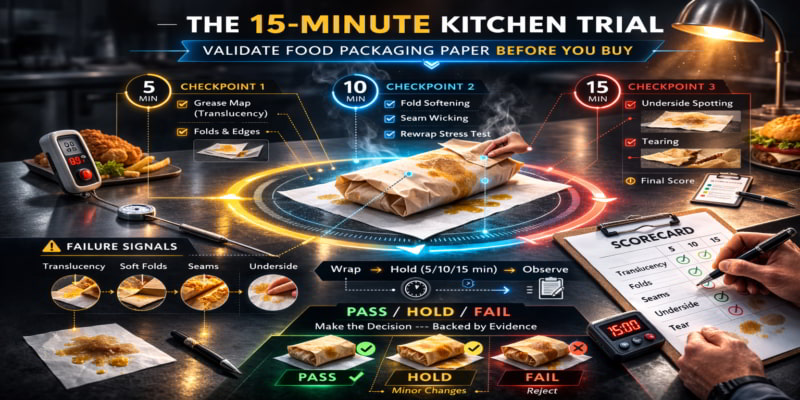
The 15-Minute Kitchen Trial: A Protocol for Validating New Food Packaging Paper Specifications
📌 Key Takeaways A 15-minute kitchen trial reveals whether food packaging paper actually works under real service conditions—specefication sheets alone cannot. Watch the wrapper survive your kitchen before trusting the specification sheet. Food service operators and procurement teams qualifying new packaging suppliers will gain a repeatable validation method here, preparing ... Read More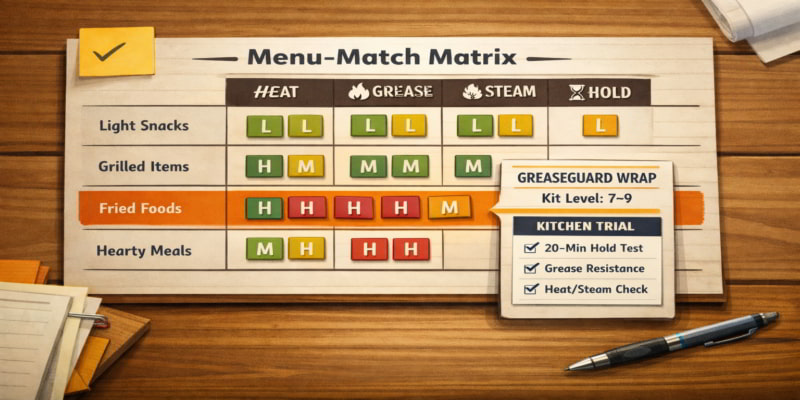
Stop Over-Engineering Wrappers: How to Build a Menu-Match Matrix for Food Packaging Paper
📌 Key Takeaways A simple one-page matrix linking menu items to wrapper requirements stops the cycle of overspending on food packaging paper while still seeing failures on your greasiest items. Right wrapper for each item class = lower costs, fewer complaints, and decisions you can explain. Food-service operators juggling wrapper ... Read More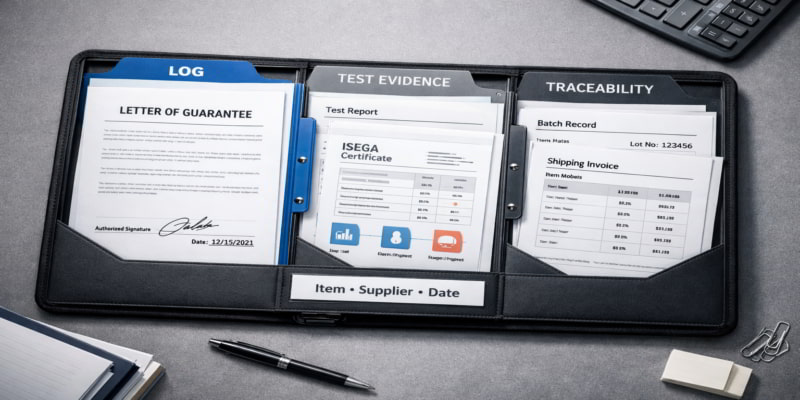
How to Request a Letter of Guarantee (LOG) from Food Packaging Paper Supplier
📌 Key Takeaways A Letter of Guarantee turns “they said it’s food safe” into dated, signed proof you can find in minutes. One email today prevents the 9:00 AM scramble tomorrow. Food service operators and procurement managers building audit-ready packaging files will find a ready-to-send email template and filing system ... Read More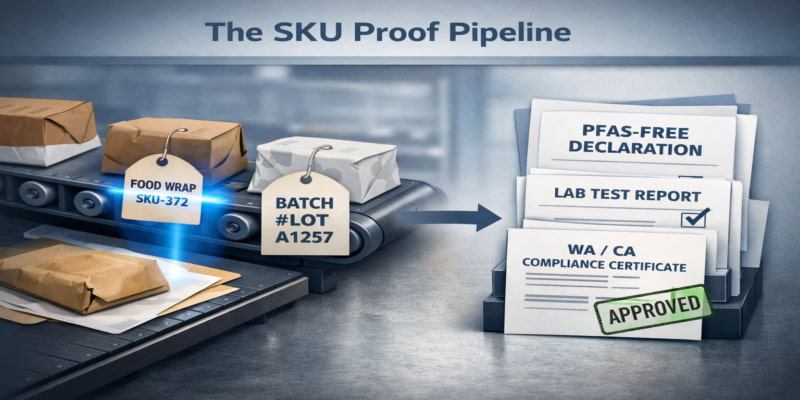
Food Packaging Paper and PFAS Regulations: What Small Business Owners Need to Clearly Understand About the New Rules
📌 Key Takeaways PFAS rules are changing fast, and “food safe” labels don’t prove your packaging is compliant—only supplier documentation does. Build a verification habit that survives rule changes, not a one-time compliance fix. Small business owners and restaurant operators sourcing food packaging will find a ready-to-use supplier verification script ... Read More
Food Packaging Paper Brand Safety 101: Why Compliance Is Your Strongest Protection Policy
📌 Key Takeaways Food packaging paper compliance protects your brand on two fronts: passing inspections and preventing the viral photo of a greasy, failed wrapper. The right paperwork today prevents the wrong headline tomorrow. Restaurant owners, food service managers, and procurement teams responsible for packaging decisions will find practical compliance ... Read More