

Why FSC Certification Matters for Your Retail Brand Reputation
📌 Key Takeaways FSC certification protects retail brand reputation only when you can produce documentation that proves every sustainability claim on your packaging. Certification without documentation = claims without protection. Retail managers and procurement teams sourcing paper bags will gain a clear verification framework here, preparing them for the detailed ... Read More
Understanding Kraft Paper Grades for Paper Bags: A Guide to Durability and Cost for Retailers
📌 Key Takeaways Kraft paper grade selection determines whether checkout bags fail publicly or quietly overspend on durability the store never needs. Grade clarity turns procurement from guesswork into risk management. Retail buyers and store managers responsible for packaging decisions will gain a practical framework for specifying kraft grades confidently, ... Read More
Inventory Management 101: Preventing Paper Bag Stockouts During Peak Retail Seasons
📌 Key Takeaways A reorder point formula eliminates stockout guesswork by calculating exactly when to place your next bag order based on usage, lead time, and safety buffer. Formula discipline replaces panic with predictable restocking. Small retail owners and operations managers responsible for checkout supplies will gain an immediately implementable ... Read More
Negotiating Payment Terms for Paper Bags: A Guide for Cash-Flow Management
📌 Key Takeaways Payment terms shape working capital needs as powerfully as unit price, making them a negotiable lever for controlling cash flow in paper bag procurement. Better terms come from becoming the lowest-risk small buyer, not the loudest negotiator. Small and mid-sized paper bag buyers managing tight working capital ... Read More
How to Vet Wholesale Paper Bag Suppliers: A Remote Audit Checklist
📌 Key Takeaways Remote vetting filters out problematic wholesale paper bag suppliers before you commit significant orders or long-term contracts. Structured verification catches obvious problems before they become expensive ones. SMB buyers sourcing paper bags internationally will gain a repeatable qualification method, preparing them for the detailed five-step audit framework ... Read More
The Hidden Cost of Unverified Suppliers: Why “Cheap” Paper Bags Break Your Budget
📌 Key Takeaways Unit price without verification creates hidden costs that quietly erase savings and drain margins. Strategic sourcing beats transactional thinking when packaging touches every customer interaction. Small retail owners and foodservice operators managing tight margins will gain a practical risk framework here, preparing them for the supplier verification ... Read More
The Retailer’s Guide to Sustainable Packaging Compliance: Navigating Bans and Certifications
📌 Key Takeaways Sustainable packaging compliance functions as a retailer’s license to operate: without documented proof that bags and packaging meet environmental rules in every market, the ability to trade can disappear overnight. Proactive compliance costs less than emergency reprints, stock write-offs, and reputational damage combined. Retail buyers, operations leaders, ... Read More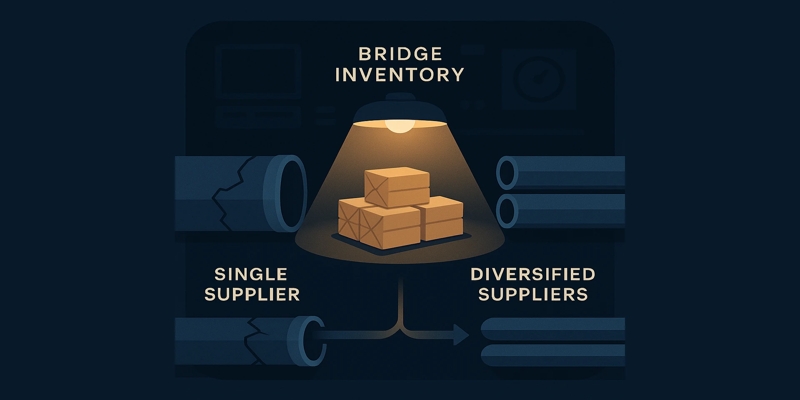
Panic Buying vs. Strategic Sourcing: How to Fix Paper Bag Stockout Crisis Fast
📌 Key Takeaways Stockouts reveal structural sourcing weaknesses that panic buying only deepens—strategic preparation transforms crises into resilience. One stockout exposes fragility; the response determines whether it’s the last one. Small retail owners and procurement managers sourcing wholesale paper bags will gain immediate crisis stabilization steps and a 90-day transformation ... Read More
From Fragile to Fortified: A Sourcing Strategy for Reliable Paper Packaging
📌 Key Takeaways Single-supplier dependency creates unacceptable operational risk; diversified, verified sourcing transforms packaging from a vulnerability into reliable infrastructure. Clear specs, verified partners, backup options—that’s what separates fragile from fortified. Small retail operators managing packaging procurement will gain a practical framework here, preparing them for the detailed supplier evaluation ... Read More
The Sourcing & Compliance Integration Checklist: How to Buy Compliant Paper Bags
📌 Key Takeaways Compliance requirements must filter supplier decisions from the start, not validate them at the end. Integration catches problems when options are plentiful; separation catches them when options are scarce. SMB retail procurement teams balancing speed and regulatory risk will gain a practical implementation framework here, preparing them ... Read More
Verifying International Paper Bags Suppliers: A Checklist for Safe Online Sourcing
📌 Key Takeaways Verify international suppliers through seven desk-based checkpoints before wiring payment to filter out scams, quality risks, and delivery failures. Informed trust replaces blind trust when verification precedes payment. Procurement and operations leaders sourcing wholesale paper bags internationally will gain a repeatable risk-reduction process here, preparing them for ... Read More
How to Source Small Lots of Kraft Paper Without Compromising on Quality
📌 Key Takeaways Small-lot kraft paper sourcing protects cash flow and machine uptime when you verify suppliers systematically before committing. Systematic vetting converts small-lot sourcing from gamble to repeatable capability. Paper bag manufacturers struggling with mill MOQs and working capital constraints will gain immediate process clarity here, preparing them for ... Read More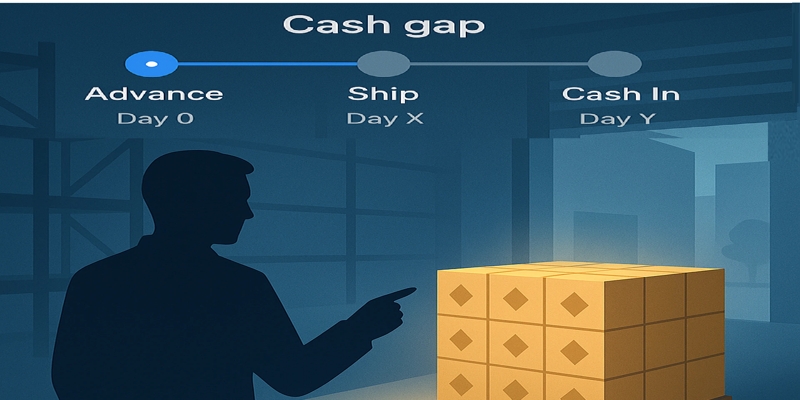
The “Cash Gap” Calculator for Paper Bag Buyers: How to Keep Working Capital Flowing
📌 Key Takeaways Paper bag procurement creates a cash gap—the time between paying suppliers and recovering money through customer sales—that could stretch 90 to 175 days. Calculate before you commit—rough numbers reveal hidden capital traps. E-commerce procurement managers, retail operations teams, and brand managers overseeing packaging decisions will gain a ... Read More
The ‘Inventory Trap’: Why Buying Mill Direct is Bankrupting Small Paper Converters
📌 Key Takeaways Mill-direct paper deals bankrupt small converters by locking working capital in warehouse inventory while cash flow drains. The inventory trap is structural mismatch, not incompetence—mill economics designed for giants suffocate small paper converters.. Small packaging converters and paper bag manufacturers managing tight margins will gain defensive sourcing ... Read More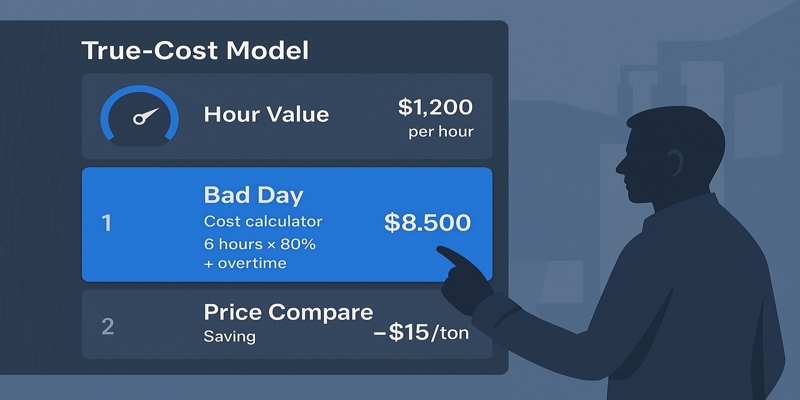
The High Cost of “Cheap” Paper: How Quality Variance Kills Production Margins
📌 Key Takeaways Quality variance in kraft paper erodes production margins through waste, downtime, and customer complaints that dwarf any headline price savings. Cheap paper costs most when machines stop running. SME paper bag manufacturers and packaging converters balancing tight margins with quality risk will find a practical three-step modeling ... Read More