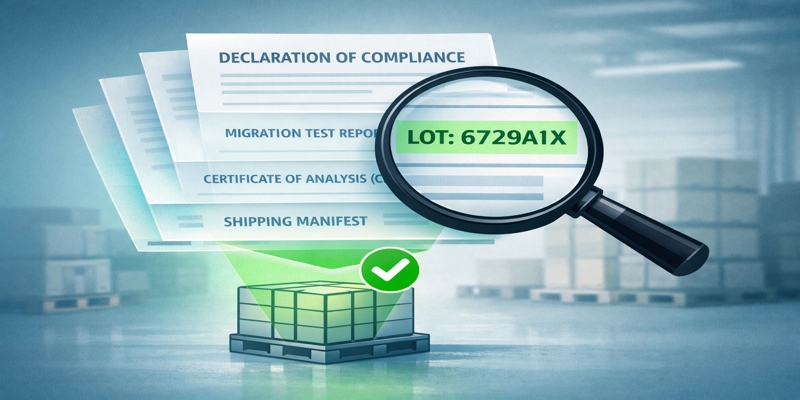
Building a Cupstock Compliance Document Intake Process for Growing Packaging Teams
📌 Key Takeaways Saving supplier files is not the same as intake — documents need product context, a reviewer, and a decision trail to be useful. Context turns a folder of files into a defensible review record. Procurement, QA, and compliance professionals building or formalizing cupstock document workflows will find ... Read More
The Golden Age of Fiber: How the New EU Packaging Laws Are Changing the Game for Waste Paper Buyers
The regulatory framework governing packaging in the European Union is undergoing its most profound structural transformation in three decades. On February 11, 2025, the Packaging and Packaging Waste Regulation (PPWR) officially entered into force, establishing the structural framework to replace fragmented national rules with a directly applicable, EU-wide mandate starting ... Read More
The New Paper Trail: How EU Regulation 2025/40 (PPWR) Redefines the Waste Paper Market
A Regulatory Seismic Shift The landscape of European secondary raw material procurement is undergoing its most significant structural transformation in decades. The EU Packaging and Packaging Waste Regulation (PPWR), designated as Regulation 2025/40, entered into force with a series of critical safety and operational compliance protocols taking effect on 12 ... Read More
The Upcoming EU PPWR Compliance Deadline: Send This Email to Your Paper Packaging Suppliers Now
If your business exports goods to the European Union or operates within it, the compliance countdown is well underway. The EU’s sweeping Packaging and Packaging Waste Regulation (PPWR) is moving toward its primary application date, which takes effect 18 months following its final publication in the Official Journal of the ... Read More
Toilet Tissue Storage Standards for Compliance, Risk Reduction, and Quality Control
📌 Key Takeaways Toilet tissue storage failures are not dramatic events — they are quiet, routine shortcuts that show up as audit findings, wasted stock, pest problems, and program credibility gaps. Clean, dry, documented, repeatable — that is the standard that holds up under scrutiny. Facility managers, janitorial supervisors, and ... Read More
The Failure of Vague RFQs: Using Specification-True Folding Carton Blueprints to Ensure Global Compliance
📌 Key Takeaways Vague folding carton specifications let suppliers guess differently, then compliance fails on the line, not in the quote. Specification discipline turns guesswork into governance. Procurement managers, packaging engineers, and QA leads responsible for pharmaceutical folding carton sourcing will gain a repeatable framework here, preparing them for the ... Read More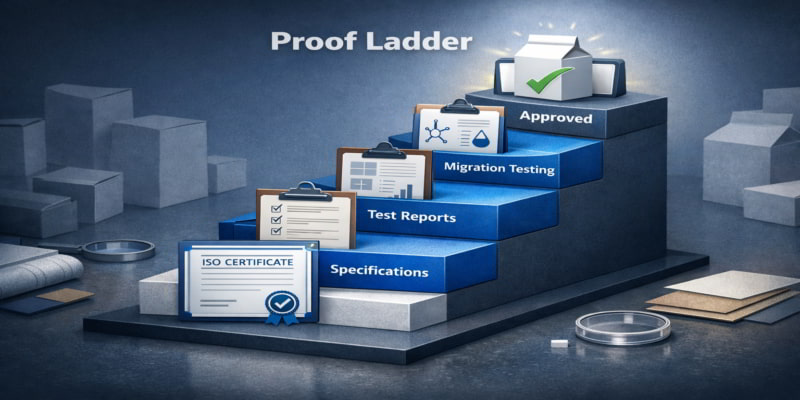
Stop Trusting ISO Certificates for Folding Carton Packaging: They Don’t Guarantee Food Safety
📌 Key Takeaways An ISO certificate proves a supplier has organized processes—it does not prove your specific folding carton run is safe for your food product. Proof beats paperwork—run-specific evidence protects you where badges cannot. Procurement managers, QA specialists, and packaging engineers sourcing folding cartons for food applications will gain ... Read More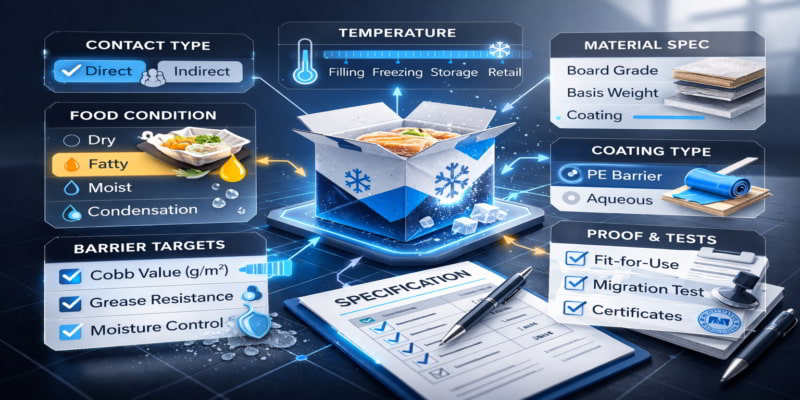
How to Define Safe Contact Barriers for Frozen Food Folding Carton Packaging
📌 Key Takeaways Frozen food packaging needs barrier specifications defined field by field—not just a “frozen grade” label—before comparing suppliers. Specification clarity before quotes prevents late-stage failures and compliance surprises. QA managers and packaging engineers defining frozen food folding carton requirements will find a ready-to-use specification sheet and verification checklist ... Read More
Stop Relying on Generic Certificates: A Practical Guide to Food-Safe Folding Carton Compliance
📌 Key Takeaways Certificates prove a supplier has a quality system—they don’t prove that a specific carton batch matches your exact food-safety needs. Stop collecting certificates and start connecting proof to named requirements. Procurement managers and QA professionals qualifying folding carton suppliers will find a practical diagnostic here, preparing them ... Read More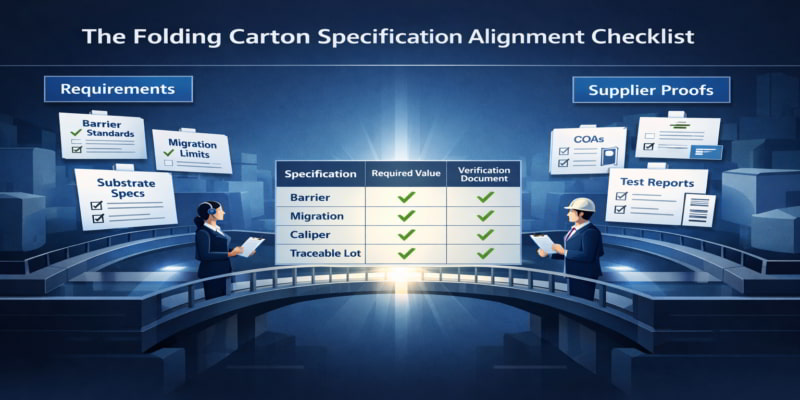
The Folding Carton Specification Alignment Checklist: Connecting Compliance to Supplier Vetting
📌 Key Takeaways Folding carton sourcing fails when teams collect supplier certificates before defining what “compliant” actually means for their specific product. Clear specifications first, then supplier comparison—not the other way around. Procurement managers and QA leads sourcing food-safe folding cartons will find a ready-to-use alignment framework here, preparing them ... Read More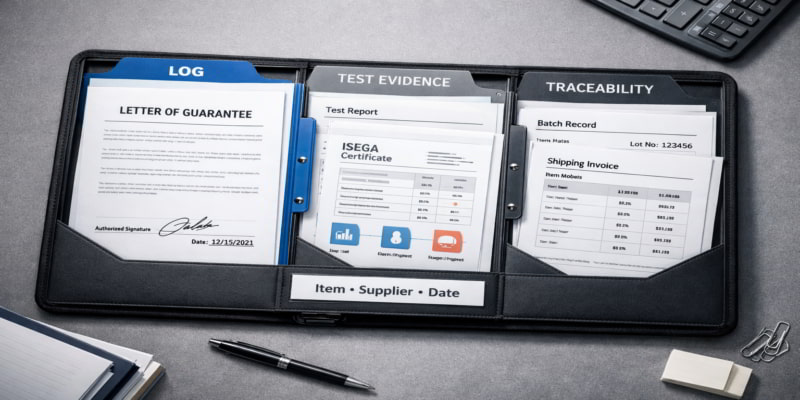
How to Request a Letter of Guarantee (LOG) from Food Packaging Paper Supplier
📌 Key Takeaways A Letter of Guarantee turns “they said it’s food safe” into dated, signed proof you can find in minutes. One email today prevents the 9:00 AM scramble tomorrow. Food service operators and procurement managers building audit-ready packaging files will find a ready-to-send email template and filing system ... Read More
Food Packaging Paper Brand Safety 101: Why Compliance Is Your Strongest Protection Policy
📌 Key Takeaways Food packaging paper compliance protects your brand on two fronts: passing inspections and preventing the viral photo of a greasy, failed wrapper. The right paperwork today prevents the wrong headline tomorrow. Restaurant owners, food service managers, and procurement teams responsible for packaging decisions will find practical compliance ... Read More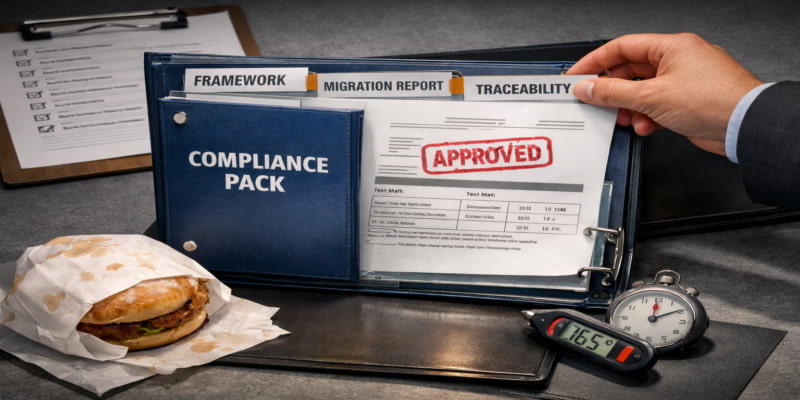
Food Packaging Paper Guide: Clearly Understanding Food Grade vs. Food Safe for Health Inspection Success
📌 Key Takeaways “Food grade” describes the raw material; “food safe” proves the finished product works for your specific food, temperature, and contact time. Proof beats labels—document your packaging the way an inspector would check it. Food service operators and procurement managers preparing for health inspections will gain immediate clarity ... Read More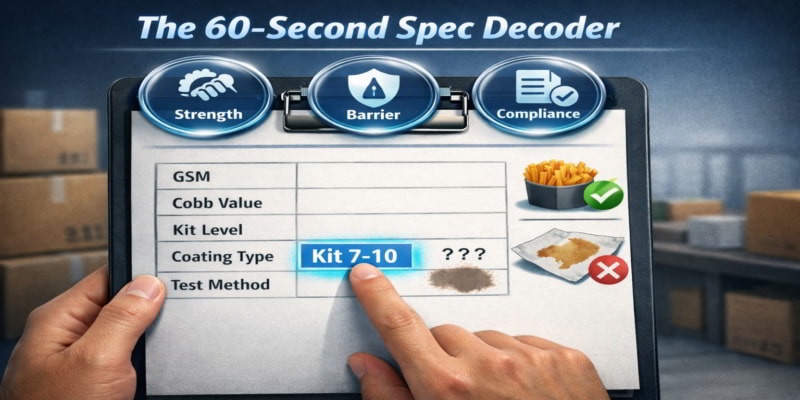
Stop the Guesswork: A Technical Guide to Decoding Food Packaging Paper Specifications
📌 Key Takeaways Paper failures usually trace back to specification mismatch, not bad suppliers—the paper did what its specifications allowed, just not what your food demanded. Match the specification to the menu, not the price to the budget. Food-service operators and procurement managers will gain a clear framework for reading ... Read More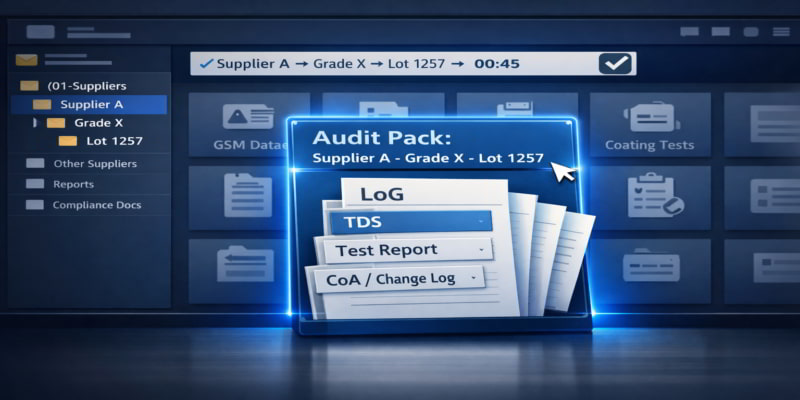
The Food Packaging Paper Letter of Guarantee Audit Kit: A Clear Guide to Organizing Your Compliance Paper Trail
📌 Key Takeaways Most audit failures happen because the right paperwork can’t be found fast enough—not because it doesn’t exist. Organized paperwork is faster paperwork—and speed is what audits demand. Procurement managers and QA teams handling food-contact packaging compliance will gain a ready-to-use folder system here, preparing them for the ... Read More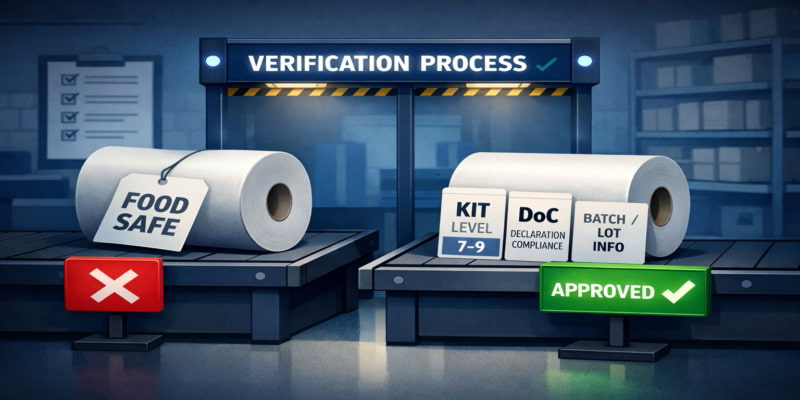
Why ‘Food Safe’ Isn’t Enough: The Hidden Risks of Generic Food Packaging Paper
📌 Key Takeaways “Food safe” is a marketing phrase, not a safety guarantee—real protection comes from matching paper specifications to your actual menu conditions. Match your specifications to your menu, not to a vague label. Food service operators scaling locations or expanding menus will gain a repeatable sourcing process here, ... Read More
The Failure of Generic Sourcing in Food Packaging Paper: Using the Specifications-First Protocol to Build Brand Safety
📌 Key Takeaways “Food safe” labels tell you nothing about whether paper will survive hot, greasy food—only specifications reveal actual performance. Food service operators and procurement managers sourcing packaging materials will find actionable frameworks here, preparing them for supplier conversations that produce comparable, verifiable quotes. ~ ~ ~ ~ ~ ... Read More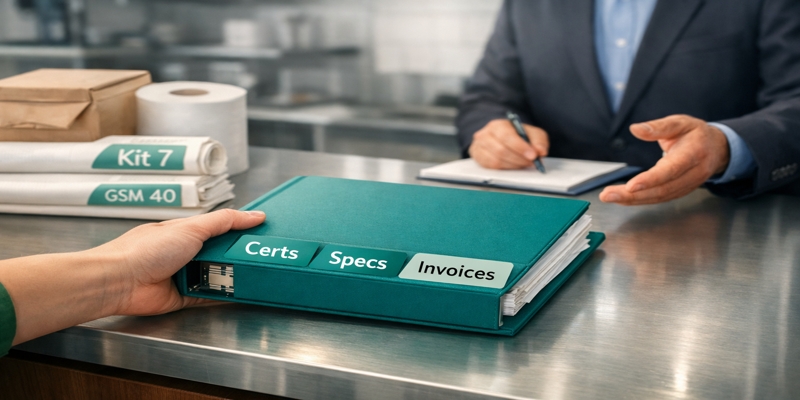
Beyond the Fine: The Reputation Risk of Non-Compliant Food Packaging Paper
📌 Key Takeaways A packaging failure costs far more in lost trust than any fine—customers see grease stains as food safety problems. The fine is a line item; the reputation is the business. Restaurant operators, food service managers, and procurement teams responsible for food packaging sourcing will find practical checklists ... Read More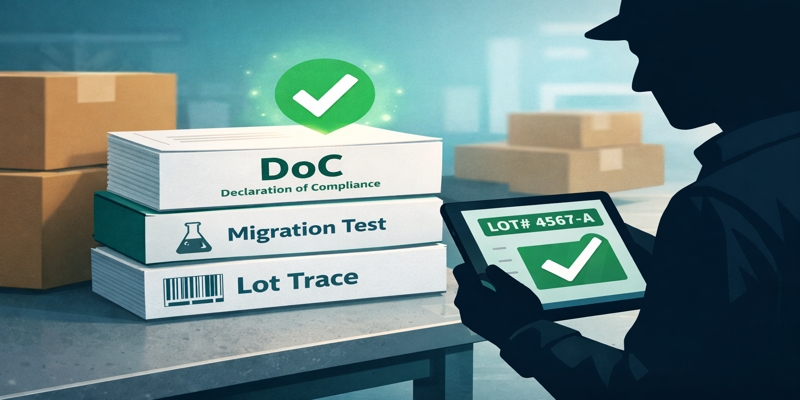
Why “Food Safe” Is a Meaningless Label for Food Packaging Paper (And What to Ask Instead)
📌 Key Takeaways “Food safe” on a label proves nothing—only named standards with current, lot-linked documents verify safety. Current documents beat comforting labels every time. Procurement managers and food service operators sourcing food packaging paper will gain a practical question framework here, preparing them for the detailed supplier verification guidance ... Read More