
Execute cross-border transactions with confidence and compliance.
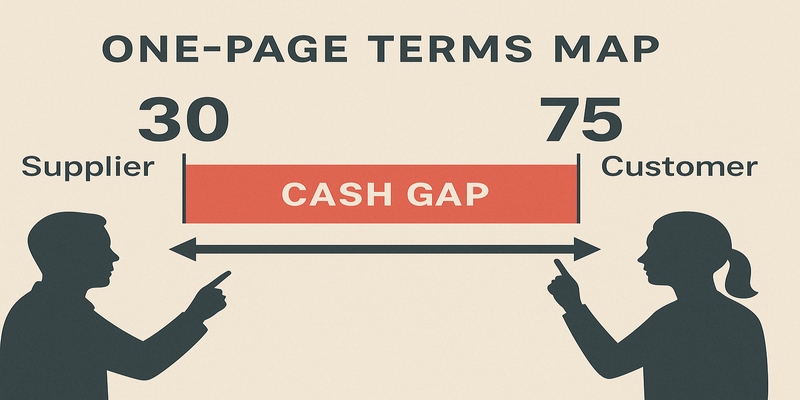
Payment Terms Design for Kraft Paper Suppliers & Customers: First Steps to List, Compare, and Spot Your Biggest Cash Flow Gaps
📌 Key Takeaways Payment terms with kraft paper suppliers and customers rarely align by accident—and that mismatch quietly drains working capital every month. Mapping precedes negotiation; clarity precedes control. Finance heads, CFOs, and procurement leads at SME packaging converters will find a practical diagnostic framework here, preparing them for the ... Read More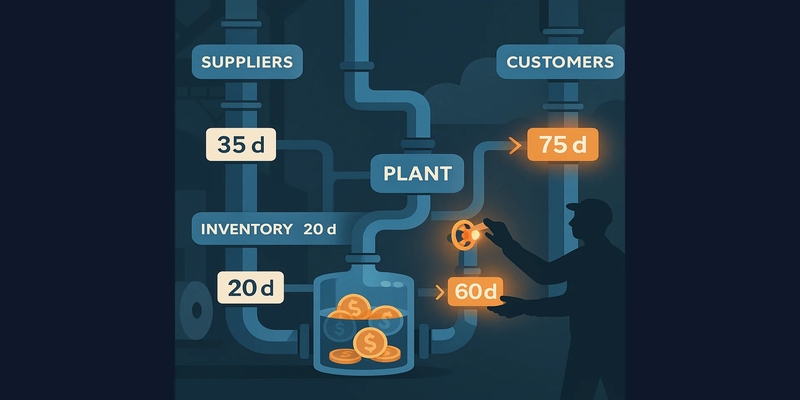
Payment Terms Design for Kraft Paper Suppliers & Customers: A Simple Playbook to Align Cash In and Cash Out
📌 Key Takeaways Payment terms you inherited years ago are quietly designing your cash flow—whether anyone designed them or not. Design payment terms intentionally, and growth stops feeling like suffocation. Small and mid-sized packaging converters juggling kraft paper suppliers and demanding customers will find a practical roadmap here, preparing them ... Read MoreAligning Finance and Procurement Priorities: A Checklist for Reducing Working Capital Strain from Payment Terms
📌 Key Takeaways Working capital strain from payment terms turns month-end into a firefight when kraft paper bills come due weeks before customer payments arrive. Finance heads, procurement leaders, and owner-operators at SME packaging converters will find a practical framework here, preparing them for the detailed checklist and implementation guidance ... Read More
Working Capital Strain from Payment Terms: Inventory Days, Overdraft Stress, and How Much Cash is Stuck in Kraft Paper
📌 Key Takeaways Overdraft limits stay pinned near maximum not because sales are weak, but because cash sits idle in warehouse reels while supplier and customer payment terms pull in opposite directions. Visibility first, then targeted action—not sweeping cuts. SME packaging converters juggling tight bank limits and volatile kraft paper ... Read More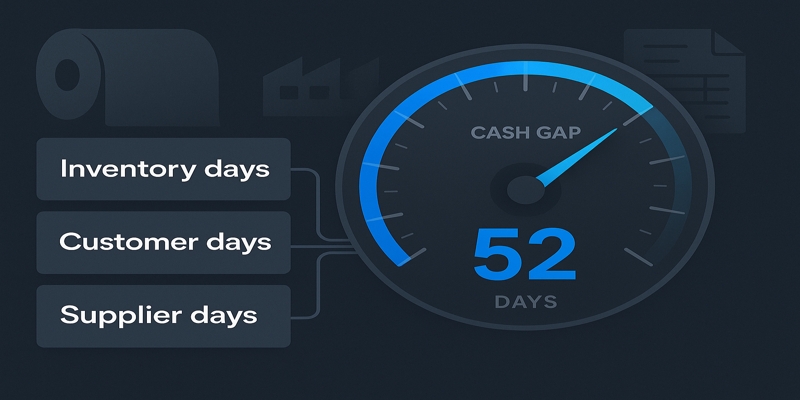
Working Capital Strain from Payment Terms: How Much Working Capital Limit Do You Need for Kraft Paper?
📌 Key Takeaways Your working capital limit for kraft paper isn’t a guessing game—it’s a calculation you can do in three steps using numbers you already have. Prepared discussions lead to appropriate limits and calmer banking relationships. Small and mid-sized packaging converters will find a practical calculation method here, preparing ... Read More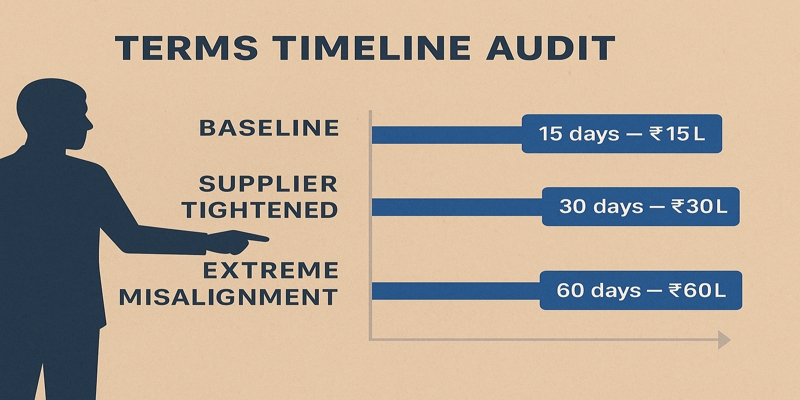
Working Capital Strain from Payment Terms: Simple Examples Showing How Fifteen Days Change Your Cash Flow Gap
📌 Key Takeaways A 15-day shift in payment terms isn’t a minor adjustment—it can double or eliminate your working capital needs entirely. Show the numbers, not just the stress. SME packaging converters buying kraft paper—especially owners, finance heads, and procurement leads—will find concrete scenarios here, preparing them for the actionable ... Read More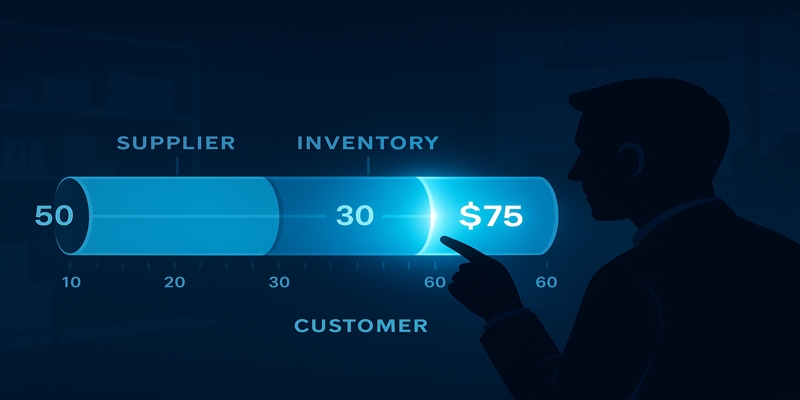
Working Capital Strain from Payment Terms: A Simple Guide to Seeing and Fixing Your Kraft Paper Cash Flow Gap
📌 Key Takeaways Cash flow problems aren’t always caused by poor sales—they’re often caused by poor timing between when you pay suppliers and when customers pay you. Map it once, measure it quarterly, adjust one lever at a time—that’s how converters move from overdraft anxiety to cash control. SME packaging ... Read More
Working Capital Strain from Payment Terms and Payment Terms Design: A Strategic Bridge Guide for SME Packaging Converters
📌 Key Takeaways Misaligned payment terms between kraft paper suppliers and customers create a structural cash flow gap that turns growth into a working capital crisis for SME packaging converters. Target improvements of 15-20 days in your cash conversion cycle = ₹12-15 lakh ($14-18K) freed for a typical ₹20 lakh ... Read More
Working Capital Strain from Payment Terms: A Beginner’s Cash Conversion Cycle Map for Kraft Paper Buyers
📌 Key Takeaways Working capital strain isn’t a temporary crisis—it’s a structural timing gap between when you pay kraft paper suppliers and when customers pay you, and it can be mapped and managed. The map you build today creates the foundation for deliberate working capital management instead of perpetual crisis ... Read More
FX Exposure for Importers: Simple Buffers and Pass-Through Clauses That Work
📌 Key Takeaways Currency volatility erodes profit margins just like freight surcharges—but only if you leave it unmanaged. Declared buffers plus neutral pass-through clauses equal predictable landed costs and zero blame games. SMB converters, importers, and finance controllers managing international kraft paper procurement will find practical implementation guidance here, setting ... Read More
Freight Matters: Mill-to-Dock Variables That Sneak Into Your Kraft Paper Cost
📌 Key Takeaways Freight variables between the mill and your receiving dock can flip your supplier rankings even when paper prices look identical. Normalized quotes, stress-tested scenarios, and documented assumptions transform freight from a hidden variable into a manageable decision input. Procurement and sourcing managers at SMB packaging converters will ... Read More
Incoterms for Paper Supply: The Six Clauses That Change Your Delivered Price More Than You Think
📌 Key Takeaways Mixed Incoterms quotes hide true costs until you normalize every offer to your facility door. Standardize the named place, normalize to one basis, document assumptions—this sequence cuts sourcing cycle time and builds supplier trust. Procurement managers evaluating international paper suppliers and logistics coordinators managing cross-border shipments will ... Read More
Containerboard Cost Stack Explained: Freight, Fiber, Energy, and Surcharges—What Actually Moves Your Landed Cost
📌 Key Takeaways Containerboard quotes become comparable only when you separate cost drivers, normalize delivery terms, and govern volatility before signing contracts. Prepared procurement = comparable quotes, governed volatility, and defensible renewals. Procurement professionals, finance teams, and supply chain managers evaluating containerboard suppliers will find this framework essential, preparing them ... Read More
From Volatility to Clarity: A Practical Playbook for Containerboard Cost & Contract Foundations
📌 Key Takeaways Containerboard landed costs remain stable only when explicit guardrails prevent quote confusion, freight surprises, and specification drift. Guardrails installed = volatility managed as bandwidth, not crisis. Procurement managers, finance controllers, and operations leaders at converters will find immediate implementation guidance here, preparing them for the detailed guardrail ... Read More
Guardrails, Not Guesswork: A Simple Mental Model for Stabilizing Containerboard Landed Cost
📌 Key Takeaways Landed cost shouldn’t trigger quarterly panic—five simple guardrails turn reactive scrambling into predictable, defensible decisions. Use these five controls, and renewals become routine process execution rather than detective work. Procurement and sourcing professionals at packaging converters will gain a complete mental model here, preparing them for the ... Read More
Exporter Reliability + Evidence Integrity: The Integration Score that De-Risks
📌 Key Takeaways International supply risk stems from evaluating price while ignoring two critical dimensions: whether the supplier can execute reliably and whether their quality claims rest on verifiable proof. Prepared = defensible shortlists and fewer post-award disputes. Small business procurement managers, converting operations leads, and QA professionals evaluating international ... Read More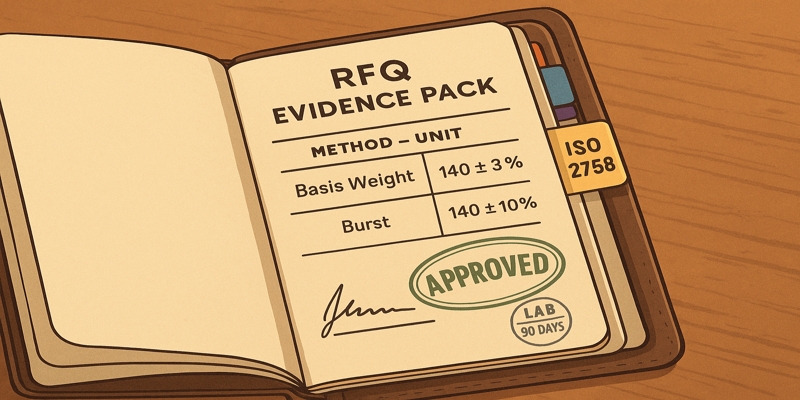
The Eight Evidence Gaps That Trigger Rework in Kraft Paper Deliveries (and How to Close Them Pre-Award)
📌 Key Takeaways Post-award rework isn’t a supplier problem—it’s a specification problem you can solve at the RFQ stage. Prepared procurement = drama-free receiving. Procurement managers, category buyers, and supply-chain leads at corrugators and converters will find tactical implementation guidance here, preparing them for the detailed eight-gap framework that follows. ... Read More
QA Acceptance Without Debate: Set Method-Named Tolerances and Attach Results at Quote Time When Sourcing Kraft Paper
📌 Key Takeaways Acceptance disputes drain time and trust—but they’re entirely preventable when quotes arrive with method-named tolerances and attached lab evidence. Evidence-first quoting = faster awards, objective acceptance, and zero debates at the dock. Procurement teams, QA managers, and supplier quality leads in the kraft paper industry will find ... Read More
When Freight Flips the Winner: Stress-Test Your Kraft Paper RFQs Against Rate Surges
📌 Key Takeaways Freight volatility destroys procurement decisions that look perfect on paper—but a simple stress-test matrix reveals which suppliers stay competitive when ocean rates surge. Stress-tested decisions withstand market turbulence instead of collapsing under it. Kraft paper procurement managers and operations leaders at converters and corrugators will find this ... Read More