

Why Food-Safe Labels Fail: How Compliance Decay Happens in Food-Grade Packaging Paper
📌 Key Takeaways Certificates capture a moment in time, not an ongoing state—compliance decay happens silently when documentation lags behind supply chain changes. Verification is a habit, not a filing cabinet—compliance confidence is earned through ongoing attention. Procurement managers and QA professionals responsible for food-contact packaging will gain a repeatable ... Read More
How to Verify Food Contact Compliance Beyond Certificates: A Supplier Shield Model
📌 Key Takeaways Certificates prove a supplier’s claims at one moment—ongoing verification systems prevent compliance drift as formulations, sites, and regulations change. Verification systems confirm what certificates actually cover—today, not when you first approved them. Procurement managers and QA professionals responsible for food-contact packaging will find a stage-gate framework and ... Read More
The Hidden Risk of Unverified Suppliers: Protecting Your Pharmaceutical Supply Chain
📌 Key Takeaways Supplier verification failures surface during QA release or audits when evidence cannot be produced—not during initial procurement decisions. Structured onboarding, documented evidence, and continuous monitoring prevent downstream failures before they reach production lines. Procurement managers and quality professionals in pharmaceutical packaging will gain practical verification workflows here, ... Read More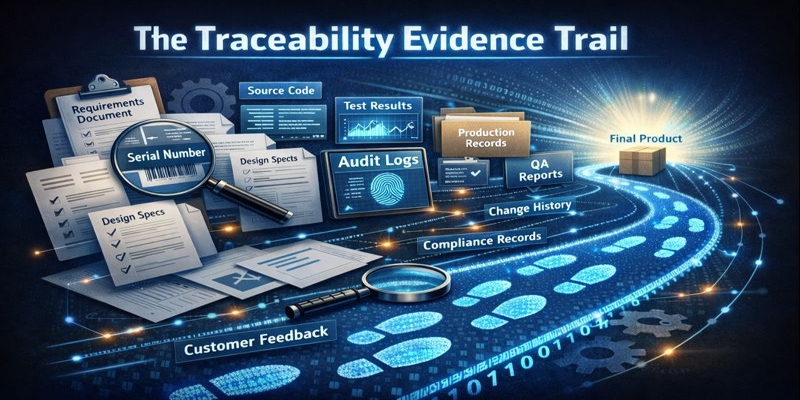
Structuring Your Compliance Audit Checklist for Packaging Suppliers
📌 Key Takeaways Effective packaging supplier audits require evidence trails and gating logic—not generic yes/no questions—to verify that documented controls actually function under production pressure. Defensible decisions require weighting modules by risk—not question count. Procurement managers and QA leaders qualifying corrugated, carton, and other packaging suppliers in regulated environments will ... Read More
Beyond the Certificate: A Governance Model for Pharmaceutical Packaging Compliance
📌 Key Takeaways Certificates prove a supplier had a system once; governance proves the system still functions today through evidence, accountability, and change control. Evidence beats promises; governance beats assumptions. Pharmaceutical procurement and QA professionals managing multi-tier packaging supply chains will gain implementation-ready frameworks here, preparing them for the 90-day ... Read More
The Cost of Non-Compliance in Pharma Packaging: Why Cheap Corrugated Boxes Become Expensive
📌 Key Takeaways In pharmaceutical packaging, a low corrugated box price often signals hidden compliance risks that surface as audit findings, shipment holds, and production interruptions. Qualification discipline protects patient safety; unit price comparisons do not. Pharmaceutical procurement professionals and packaging engineers managing supplier qualification will gain a practical verification ... Read More
Why Traditional RFQs Fail: The Hidden Cost of Opacity in Pharma Packaging Procurement
📌 Key Takeaways Traditional pharma packaging RFQs fail because they hide compliance-critical supplier signals behind unstructured responses, creating audit risk that far exceeds any unit-cost savings. Defensible sourcing decisions require asking different questions and treating supplier evidence as a deliverable, not an afterthought. Pharma packaging procurement managers facing audit anxiety ... Read More
From Chaos to Compliance: A Strategic Framework for Enterprise Corrugated Box Sourcing for Pharmaceuticals
📌 Key Takeaways Enterprise corrugated sourcing becomes audit-ready when requirements are separated into performance-critical controls and compliance-critical governance, quotes are normalized before price comparison, supplier qualification follows an evidence ladder from claims to verification, and monitoring replaces one-time approvals. Systematic verification filters out weak suppliers before they embed—not after audits ... Read More
The Sourcing & Compliance Integration Checklist: How to Buy Compliant Paper Bags
📌 Key Takeaways Compliance requirements must filter supplier decisions from the start, not validate them at the end. Integration catches problems when options are plentiful; separation catches them when options are scarce. SMB retail procurement teams balancing speed and regulatory risk will gain a practical implementation framework here, preparing them ... Read More
From Onboarding to Ongoing Assurance: A Strategic Guide to Moving from Kraft Paper Supplier Pre-Qualification to Audit & Compliance
📌 Key Takeaways Pre-qualification questionnaires capture capability at a single moment, but consistent supplier performance demands a continuous verification system that connects initial requirements to ongoing monitoring and corrective action. Prepared suppliers with method-consistent testing and documented controls earn reduced oversight; gaps trigger immediate corrective protocols. Procurement managers, quality assurance ... Read More
Kraft Paper Supplier Audit & Compliance Program: A Practical Framework for Verifiable Supply
📌 Key Takeaways A reactive audit catches failures after they disrupt operations; a structured program prevents them before they reach your facility. Verified capability replaces reactive crisis management. Procurement managers, quality leads, compliance teams, and sourcing heads will find a complete program framework here, preparing them for the detailed implementation ... Read More
Integration Playbook: How Manufacturer Evidence + Exporter Reliability De-Risk International Kraft Paper Supply
📌 Key Takeaways Single-track vetting leaves half your risk unmanaged—mills prove capability, exporters prove execution, and you need verifiable evidence of both before signing contracts. Integration beats fragmentation—evidence-based evaluation filters out suppliers who cannot document their capabilities and creates reusable procurement infrastructure that raises supply base quality across award cycles. ... Read More