Navigate sourcing decisions with clarity and confidence.
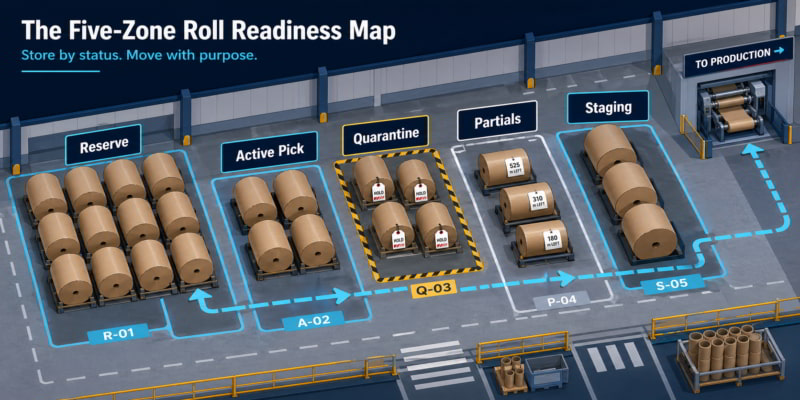
Kraft Paper Parent Roll Storage: How to Improve Picking, Rotation, and Production Readiness Without More Damage
📌 Key Takeaways Kraft paper parent rolls need clear locations, clear statuses, and clear next steps — not just available floor space. Store by status. Rotate by usability. Stage by sequence. Keep production ready. Warehouse supervisors and production planners at converting operations will find practical ways to reduce roll damage ... Read More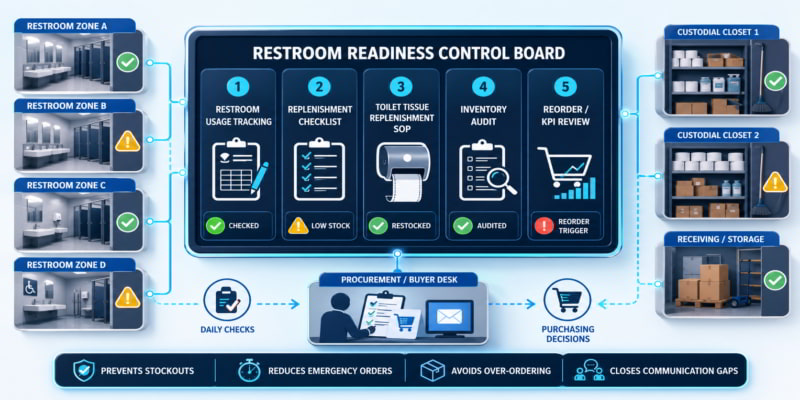
How to Build a Toilet Tissue Replenishment Documentation System for Away-From-Home (AFH) Facilities
📌 Key Takeaways Writing down how your facility tracks, restocks, and orders toilet tissue turns guesswork into reliable, data-driven purchasing. The system that prevents empty dispensers is not software — it is simple records, clear responsibilities, and regular follow-through. Facility managers, custodial supervisors, and procurement staff responsible for restroom supplies ... Read More
How to Build a Toilet Tissue Stockout Prevention Plan for Commercial Facilities
📌 Key Takeaways Most toilet tissue stockouts happen because products sit in the wrong place, not because the building ran out. A stocked restroom signals competence — an empty dispenser signals neglect. Facility managers, custodial supervisors, and commercial procurement leads will gain a ready-to-use prevention framework here, preparing them for ... Read More
How to Align Toilet Tissue Replenishment with Commercial Restroom Servicing Workflows
📌 Key Takeaways Toilet tissue runs out when refilling isn’t built into daily custodial routes — not because the supply closet is empty. Stock on the shelf only matters when it reaches the dispenser before the guest does. Facilities managers, custodial supervisors, and operations teams overseeing commercial restrooms will find ... Read More
How to Forecast Commercial Toilet Tissue Usage Before Stockouts Occur
📌 Key Takeaways AFH toilet tissue stockouts are a forecasting problem, not a product problem — and a simple usage-to-reorder model can prevent most of them. Plan the reorder before the shelf goes empty — not after. Procurement managers and facilities teams responsible for AFH restroom supply will find a ... Read More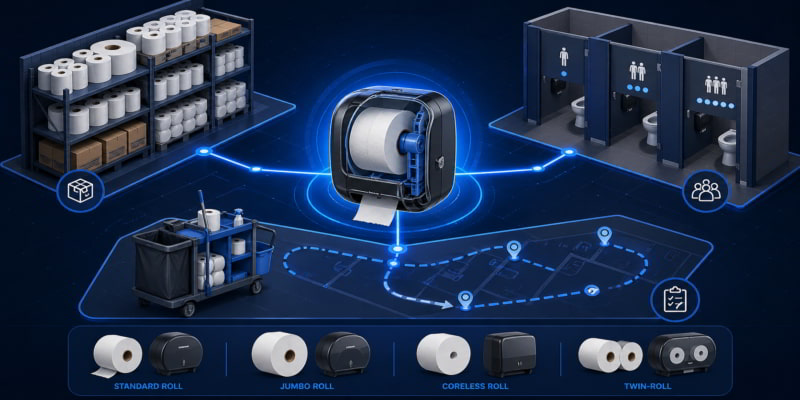
How Toilet Tissue Dispenser Format and Roll Type Affect Replenishment Planning
📌 Key Takeaways Toilet tissue planning works best when roll type, dispenser format, and custodial service routines are planned together. Better replenishment starts at the dispenser, not just the supply closet. Facility managers, janitorial buyers, and AFH procurement teams will gain a clearer planning lens here, preparing them for the ... Read More
Toilet Tissue Roll Storage Requirements for Commercial Janitorial Programs
📌 Key Takeaways Storing toilet tissue right protects restroom uptime, cuts labor waste, and keeps you on the right side of safety rules. The closet that runs itself is the one you planned before you filled it. Facility managers and custodial supervisors responsible for restroom supply programs will find ready-to-apply ... Read More
Commercial Toilet Tissue Inventory Management for Janitorial Operations
📌 Key Takeaways Restroom supply failures start with broken inventory systems, not bad purchasing contracts — and fixing them means treating toilet tissue like a tracked, managed product flow. Managed flow beats managed pile — track it, route it, measure it. Janitorial supervisors and facility managers overseeing multi-restroom operations will ... Read More
Storage Environment Standards for Commercial Toilet Tissue Inventory
📌 Key Takeaways Toilet tissue storage fails when humidity, airflow, or handling breaks down — not when the product itself is defective. Dry stock, clean hands, and intact packaging prevent most storage failures before they start. Facility managers, janitorial supervisors, and procurement teams responsible for restroom supply quality will find ... Read More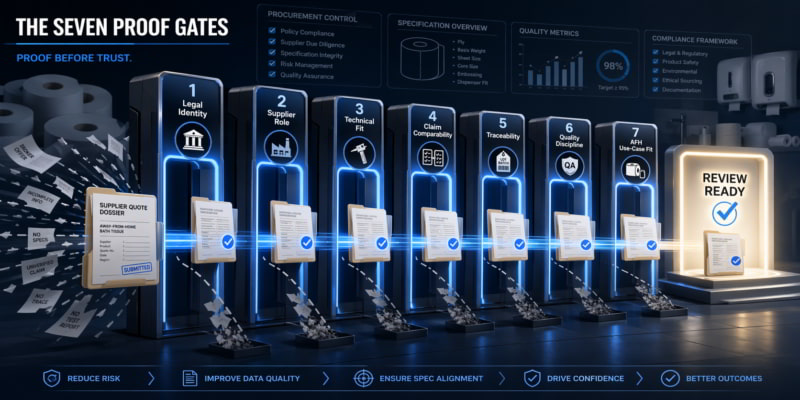
Away-From-Home Bath Tissue Supplier Verification Basics: What Proof to Request Before You Trust a Quote
📌 Key Takeaways Trust the quote only after the proof shows clear ownership, clear product fit, and claims you can actually verify. Short proof lists beat long document chases when the goal is a clean, defensible first-pass decision. AFH procurement leads, category buyers, and QA managers will gain a simpler ... Read More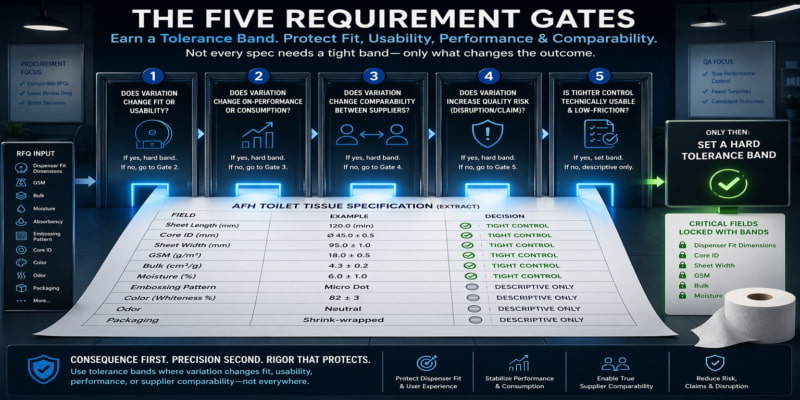
Tolerance Bands in Away From Home (AFH) Toilet Tissue Specifications: Where Requirement Precision Protects Quality and Where It Creates Friction
📌 Key Takeaways Tight tolerance bands help only when variation changes fit, performance, or service consistency across Away From Home (AFH) toilet tissue use cases. Better specifications do not control everything; they control the few things that change outcomes. AFH toilet tissue buyers balancing Procurement and QA priorities will get ... Read More
Virgin vs. Recycled Fiber: A Technical Guide to Matching Toilet Tissue Parent Roll Blends to Private-Label Softness Targets
📌 Key Takeaways Matching a toilet tissue parent roll blend to a private-label softness target starts with your own specifications, not the supplier’s grade label. Own the specification, own the outcome. Private-label bath tissue converters evaluating new parent roll blends will gain a structured decision method here, preparing them for ... Read More
The Myth of Universal GSM: Using Specification-True Procurement to Match Bath Tissue Parent Rolls to High-Speed Converting Lines
📌 Key Takeaways Matching toilet paper parent rolls to your converting line requires a full specification profile—not just a GSM number. The cheapest quote often becomes the most expensive run. Growth-stage toilet paper converters sourcing private-label parent rolls will gain a practical framework for specification discipline, preparing them for the ... Read More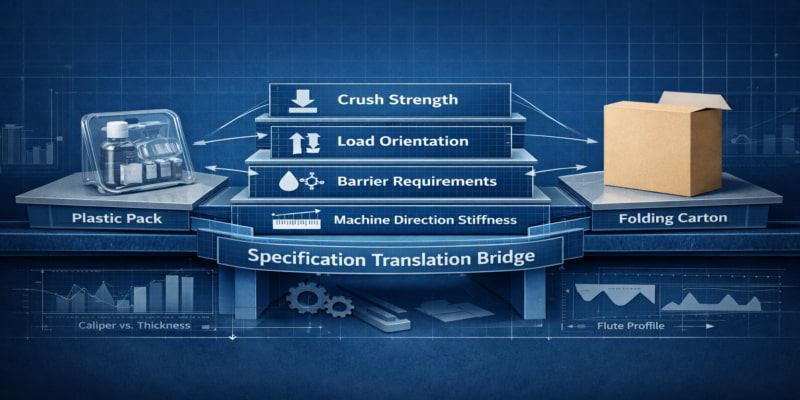
5 Steps to Map Your Plastic Packaging to Folding Cartons
📌 Key Takeaways Switching from plastic packaging to folding cartons is a translation exercise—not a simple material swap—and success starts with documenting what your current pack actually does before talking to suppliers. A shared starting point beats a perfect final spec. Packaging engineers, procurement managers, and brand teams planning plastic-to-folding ... Read More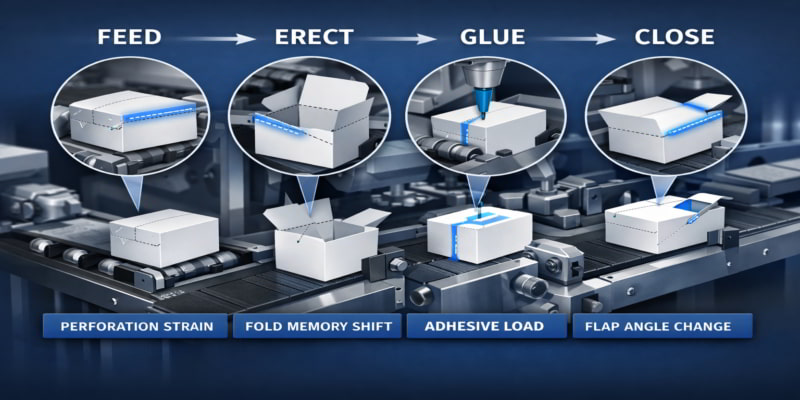
Integrating Tamper-Evident Medical Folding Cartons Without Breaking Packaging Workflows
📌 Key Takeaways Tamper-evident features change how folding cartons behave on the line—treat them as structural engineering changes, not artwork additions. Engineer the feature, not just the graphic, and line stability follows. Packaging engineers and procurement managers integrating tamper-evident folding cartons into pharmaceutical or medical device lines will find a ... Read More
How to Define Safe Contact Barriers for Frozen Food Folding Carton Packaging
📌 Key Takeaways Frozen food packaging needs barrier specifications defined field by field—not just a “frozen grade” label—before comparing suppliers. Specification clarity before quotes prevents late-stage failures and compliance surprises. QA managers and packaging engineers defining frozen food folding carton requirements will find a ready-to-use specification sheet and verification checklist ... Read More
Managing Kitchen Humidity: 3 Ways to Protect Food Packaging Paper Barrier Coatings
📌 Key Takeaways Kitchen steam quietly wrecks paper grease barriers—but three simple storage controls keep wrappers working through service. Control the storage environment and wrapper failures stop being a mystery. Food safety coordinators, kitchen directors, and facility managers in commercial kitchens will find practical storage and documentation steps here, preparing ... Read More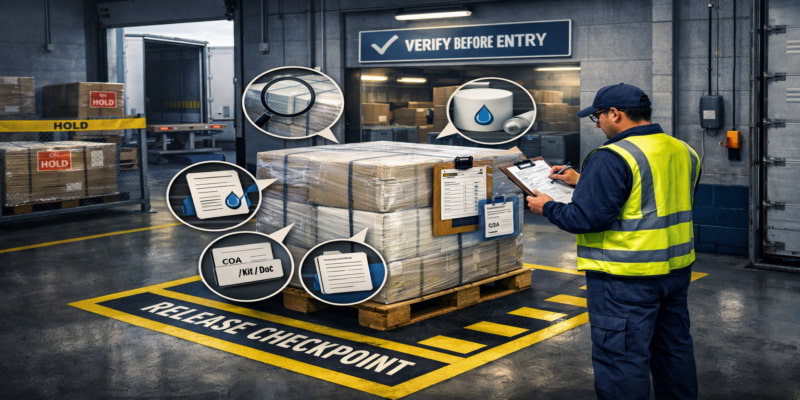
How to Set Up a Specification-First Receiving Log for Food Packaging Paper
📌 Key Takeaways A specification-first receiving log stops bad packaging at the dock by proving you checked the right things before signing. Document before you sign, or the paperwork is just theater. Operations managers and receiving staff at food service facilities will find a ready-to-use template and step-by-step setup guide ... Read More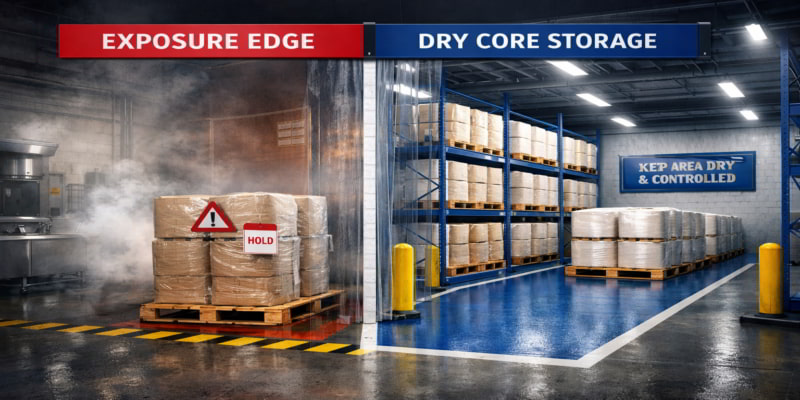
Why ‘First-In, First-Out’ (FIFO) Fails for Food-Grade Packaging Paper Storage
📌 Key Takeaways Date-based rotation fails for food-grade paper because moisture exposure—not age—is what actually ruins barrier performance. The safest pallet isn’t the oldest one—it’s the one that stayed protected. Warehouse managers and food-service operators handling paper packaging will gain a practical rotation system here, preparing them for cleaner audits ... Read More